
DIY vs. Professional Water Extraction: What You Need to Know
May 16, 2026
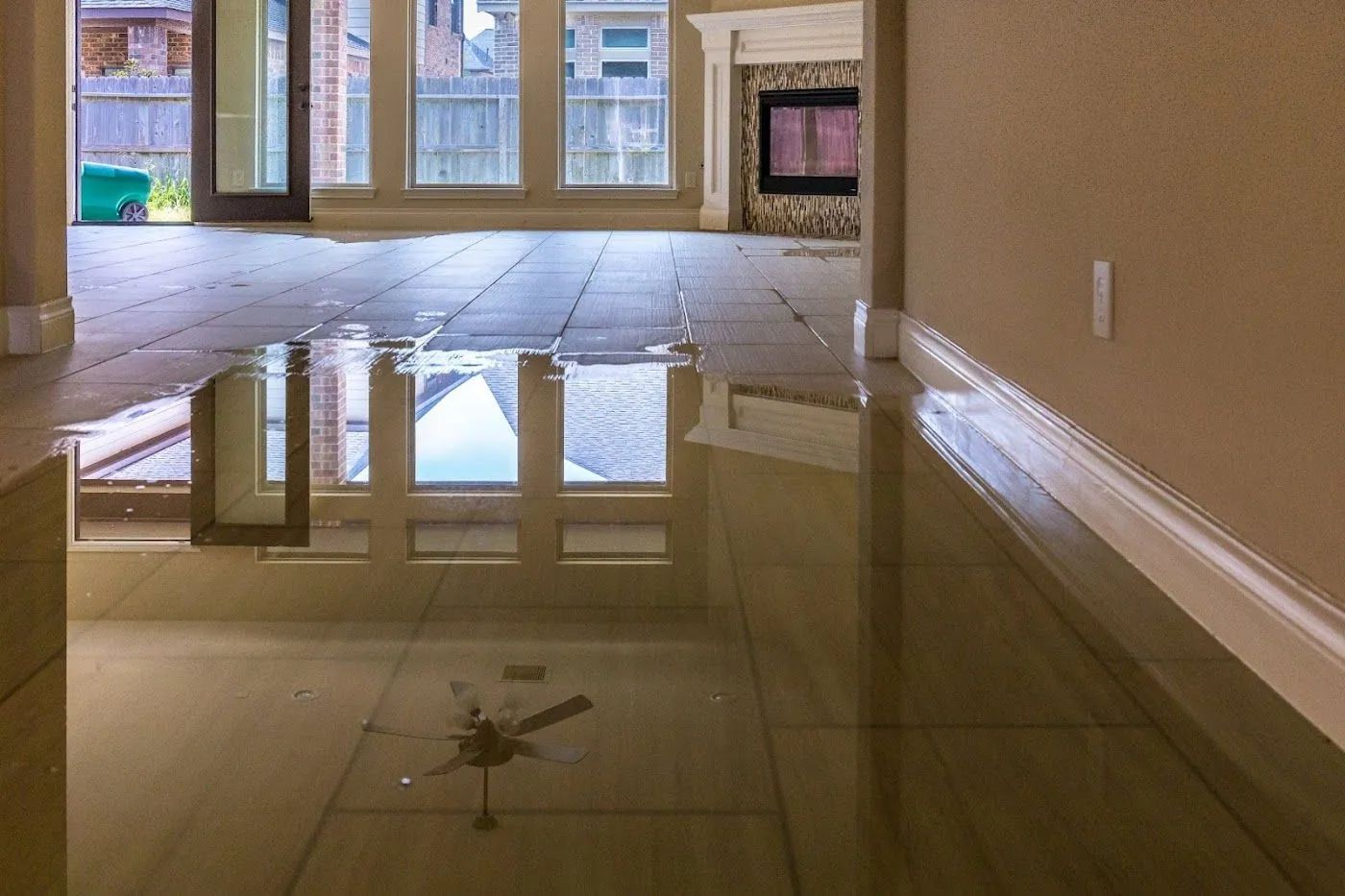
Water damage can strike unexpectedly, whether due to severe weather, plumbing failures, or appliance malfunctions. The aftermath often leaves homeowners facing a difficult decision: handle the cleanup themselves or hire a professional water extraction service. This choice carries significant consequences, impacting not only the speed and efficiency of recovery but also the potential for long-term structural damage, mold growth, and health hazards. Understanding the pros and cons of each approach is critical for making an informed decision that protects property and personal well-being.
In recent years, DIY water extraction methods have grown in popularity thanks to accessible tools, online tutorials, and home improvement stores offering specialized equipment. While these options can provide a sense of control and cost savings, professional services bring expertise, advanced technology, and industry-specific knowledge that can prevent costly mistakes. Comparing these two approaches involves examining safety, effectiveness, time investment, and overall impact on property restoration. This guide explores the differences, challenges, and best practices associated with DIY and professional water extraction, helping property owners navigate water emergencies with confidence and clarity.
Professional Water Extraction
Advanced Equipment
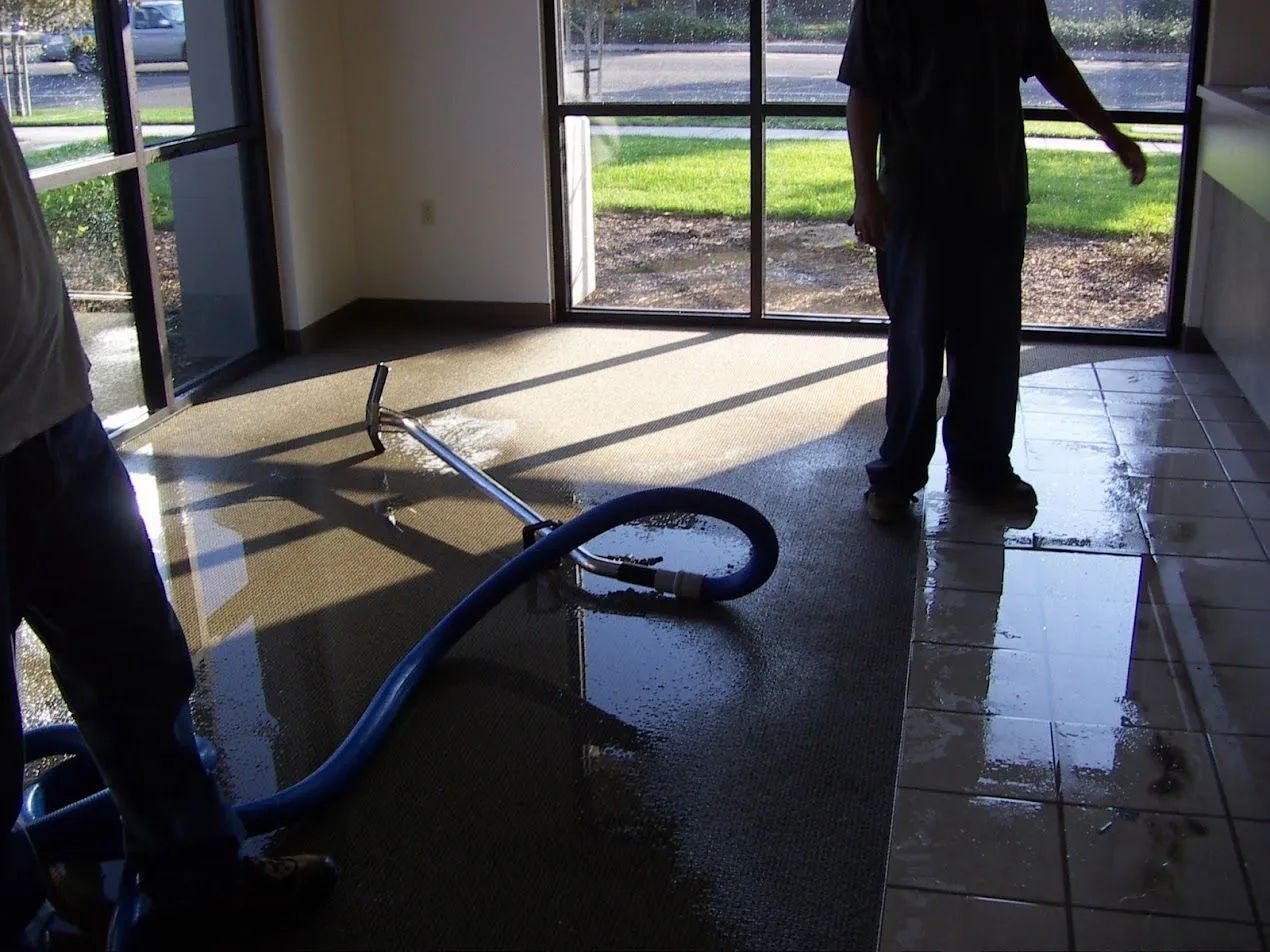
Professional water extraction services use industrial-grade equipment unavailable to most homeowners, including:
- Truck-mounted and portable water extractors for rapid removal of large volumes of water.
- Commercial-grade dehumidifiers and air movers to accelerate drying and control humidity.
- Moisture detection tools to locate hidden water behind walls, under flooring, and within subfloors.
This technology ensures water is removed thoroughly, reducing the risk of long-term structural or mold-related damage.
Expertise and Best Practices
Professional water extraction relies on specialized knowledge:
- Assessment of water type: Correctly identifying clean, gray, or black water determines extraction techniques, disinfectants, and safety precautions.
- Structural evaluation: Experts detect compromised materials and recommend selective demolition or repairs.
- Mold prevention: Timely drying and antimicrobial treatments prevent mold growth and potential litigation from health hazards.
Advantages of Professional Services
- Efficiency: Large-scale water removal is completed in hours, rather than days, mitigating secondary damage.
- Safety: Proper personal protective equipment (PPE) and handling of contaminated water minimize health risks.
- Insurance Compliance: Many insurance policies require professional documentation for claims, ensuring coverage for water-related damages.
- Long-Term Protection: Thorough extraction and drying preserve structural integrity, reducing future repair costs.
Scenarios Requiring Professional Help
- Standing water exceeds a few inches or covers multiple rooms.
- Water originates from gray or black sources.
- The property has sensitive materials like hardwood floors, carpet padding, or electronics.
- Immediate drying is essential to prevent mold within 24–48 hours.
Engaging professionals in these situations prevents extensive damage, ensures safety, and provides peace of mind.
Cost Considerations
DIY Costs
DIY water extraction may appear more affordable initially:
- Equipment Rental/Purchase: Wet/dry vacuums, fans, and dehumidifiers can cost $50–$200 each.
- Cleaning Supplies: Disinfectants, gloves, and protective masks add another $20–$50.
- Time Investment: Labor costs are not always considered but can translate into significant hours spent.
While upfront costs are lower, hidden expenses may arise from incomplete drying, secondary damage, or mold remediation.
Professional Service Costs
Professional water extraction is a larger initial investment, but value derives from efficiency and comprehensive results:
- Average Pricing: Most services charge $1,000–$5,000 depending on the size of the affected area and complexity of water damage.
- Included Services: Water extraction, moisture detection, drying, disinfecting, and documentation for insurance claims.
- Avoided Costs: Prevents structural repairs, mold remediation, and potential health-related liabilities.
Evaluating Return on Investment
When considering ROI, professional services often provide better financial outcomes by reducing repair costs and preventing recurring damage. The peace of mind and safety benefits further justify the investment, especially for larger or contaminated water incidents.
Health and Safety Considerations
Exposure Risks
Water damage carries risks beyond property loss. Bacteria, viruses, and mold spores thrive in damp environments. DIY attempts without proper PPE, ventilation, or disinfectants may lead to respiratory issues, skin irritation, or infection. Gray and black water particularly require specialized handling to avoid serious illness.
Structural Safety
Standing water can weaken floors, walls, and ceilings. In some cases, it may compromise electrical systems or gas lines. Professionals evaluate structural integrity before initiating water extraction, reducing the likelihood of accidents during cleanup.
Mold Prevention
Mold can begin growing within 24–48 hours. Even a small amount of residual moisture behind walls or under flooring can produce spores that infiltrate indoor air. Professionals implement controlled drying and antifungal treatments to ensure mold is prevented or eliminated.
Safety Protocols
Professional services adhere to strict protocols:
- Use of PPE, including gloves, boots, respirators, and eye protection.
- Safe disposal of contaminated materials.
- Compliance with local and federal safety standards.
DIY efforts often overlook these critical protocols, making professional intervention safer for both property and personal health.
Decision-Making Framework
Evaluating Severity and Scope
When deciding between DIY and professional water extraction, consider:
- Volume of water: Small leaks may be manageable, whereas flooding requires professional extraction.
- Source of water: Contaminated water mandates professional handling.
- Materials affected: Sensitive surfaces like hardwood or electronics benefit from professional techniques.
- Time to address damage: Delays can exacerbate damage and mold growth.
Best Practices for Homeowners
Even if DIY is chosen initially, homeowners can implement these best practices:
- Remove standing water promptly using mops, towels, or wet/dry vacuums.
- Increase airflow with fans and open windows where safe.
- Use portable dehumidifiers to reduce ambient moisture.
- Monitor moisture levels with meters to detect hidden wet spots.
- Escalate to professional services if water is widespread, contaminated, or if mold growth begins.
Combining DIY with Professional Services
Some scenarios benefit from a hybrid approach:
- DIY can address minor spills and immediate response.
- Professionals can then assess for hidden damage, mold prevention, and long-term restoration.
This combined approach ensures both immediate action and comprehensive recovery while controlling costs.
Trusted Professionals Ensuring Comprehensive Property Water Restoration
Water damage is a time-sensitive, complex challenge that requires careful evaluation. DIY water extraction offers accessibility, cost savings, and immediate action for small-scale, clean water scenarios. However, its limitations—including incomplete drying, health risks, and potential structural compromise—can turn minor incidents into major problems. Professional services deliver advanced equipment, expertise, and efficient mitigation that significantly reduces long-term damage, prevents mold growth, and ensures safety. Evaluating water volume, contamination, affected materials, and urgency helps determine the most suitable approach, often favoring professional intervention for anything beyond minimal, contained water events.
MDM Restoration
has over 20
years of experience delivering expert water damage restoration services in Manhattan Beach, California. With a commitment to thorough water extraction, structural assessment, and mold prevention, MDM Restoration
combines advanced equipment with proven industry techniques to restore properties efficiently and safely. Our extensive experience allows us to handle emergencies of all sizes, from minor leaks to major flooding, ensuring water is fully removed and affected areas properly dried. We prioritize both immediate action and long-term protection, providing comprehensive solutions that safeguard property, health, and value. Our reputation is built on years of successful restoration projects, consistent results, and a focus on customer peace of mind. By choosing MDM Restoration, property owners invest in safety, efficiency, and lasting protection against water damage.
Understanding Water Damage
Types of Water Damage
Water damage is classified into three primary categories based on contamination and severity:
- Clean Water Damage – Involves water from sources such as faucets, sinks, or burst pipes. While relatively low-risk, prompt removal is crucial to prevent secondary damage like warping and mildew.
- Gray Water Damage – Comes from appliances like washing machines, dishwashers, or toilet overflows with some contamination. Exposure carries health risks, making timely and thorough extraction necessary.
- Black Water Damage – Highly contaminated water from sewage or floodwaters, posing severe health hazards. Professional intervention is almost always required due to the potential for pathogen exposure and structural compromise.
Impact of Untreated Water
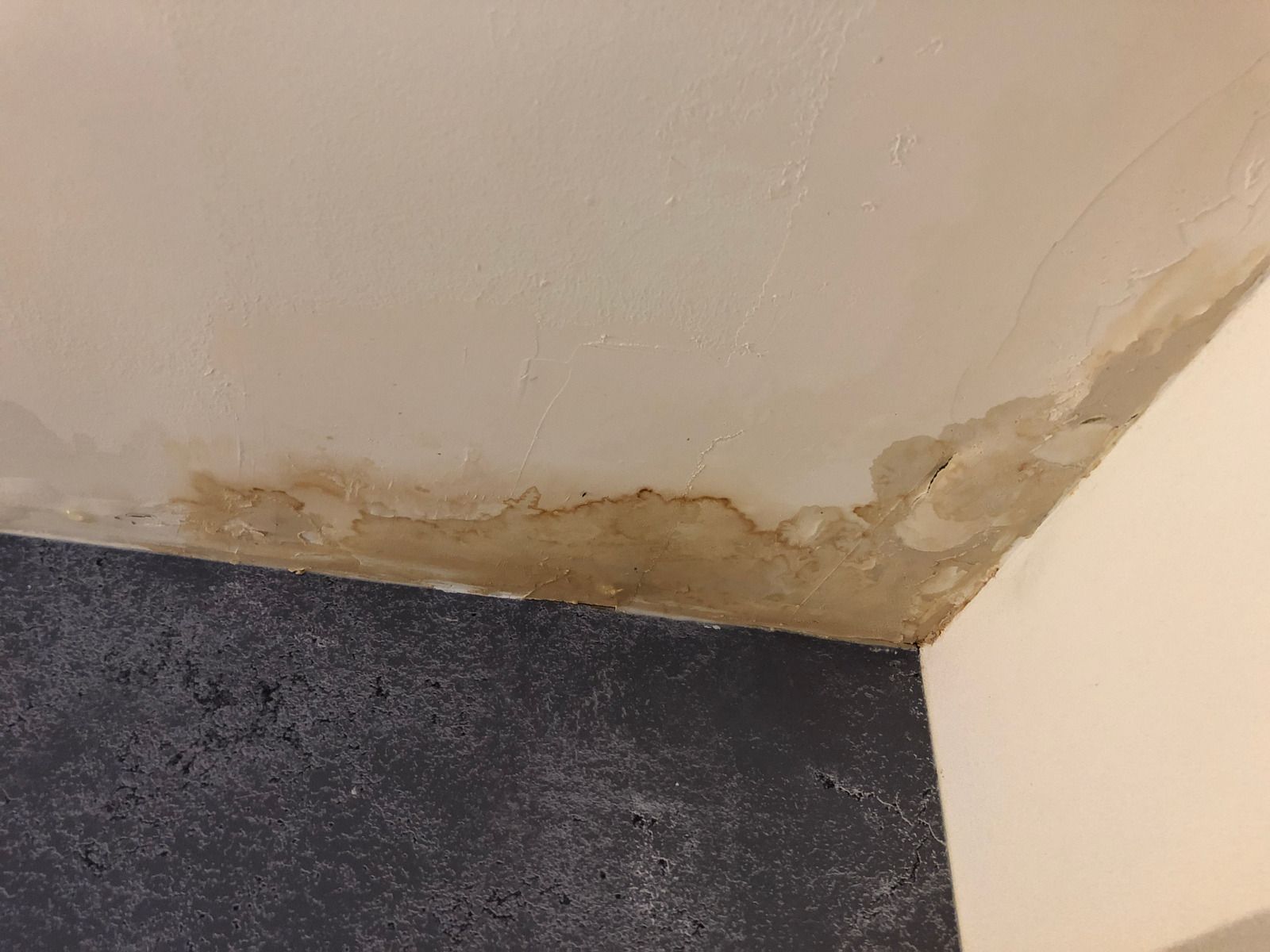
Even small amounts of water can escalate into significant problems if not addressed quickly. Wood can swell, drywall can crumble, and electrical systems may short-circuit. Mold growth often begins within 24 to 48 hours of water exposure, posing serious respiratory risks. Understanding the type and potential impact of water damage informs the choice between DIY efforts and professional assistance, highlighting the importance of swift and appropriate action.
DIY Water Extraction
Tools and Techniques
Homeowners attempting DIY water extraction typically rely on equipment such as wet/dry vacuums, mops, buckets, and dehumidifiers. Smaller spills or shallow flooding may be manageable with these tools, especially if the water is clean and accessible. Techniques often involve removing standing water, drying surfaces, and monitoring moisture levels over several days.
Advantages of DIY
- Cost Savings: DIY methods can reduce upfront costs by avoiding professional service fees.
- Immediate Response: Homeowners can start water removal immediately, limiting initial damage.
- Flexibility: Control over timing and methodology allows personal oversight of the restoration process.
Limitations and Risks
Despite the perceived advantages, DIY extraction has significant limitations:
- Incomplete Removal: Standard home equipment may fail to extract water trapped in carpets, subflooring, or behind walls. Residual moisture can accelerate structural decay.
- Health Hazards: Gray and black water contain bacteria and mold spores. Exposure without proper protective gear can lead to illness.
- Time and Labor Intensive: Drying an entire property manually can take days or weeks, potentially delaying repairs.
- Improper Drying Techniques: Overlooking humidity control and ventilation may lead to hidden mold and weakened materials.
When DIY Makes Sense
DIY water extraction is feasible when:
- Water is clean and minimal.
- Flooding is localized and quickly discovered.
- There is confidence in using moisture meters, dehumidifiers, and proper ventilation techniques.
In these scenarios, careful monitoring and consistent drying can prevent major damage. However, caution is necessary, and homeowners must be prepared to escalate to professional help if the situation worsens.