
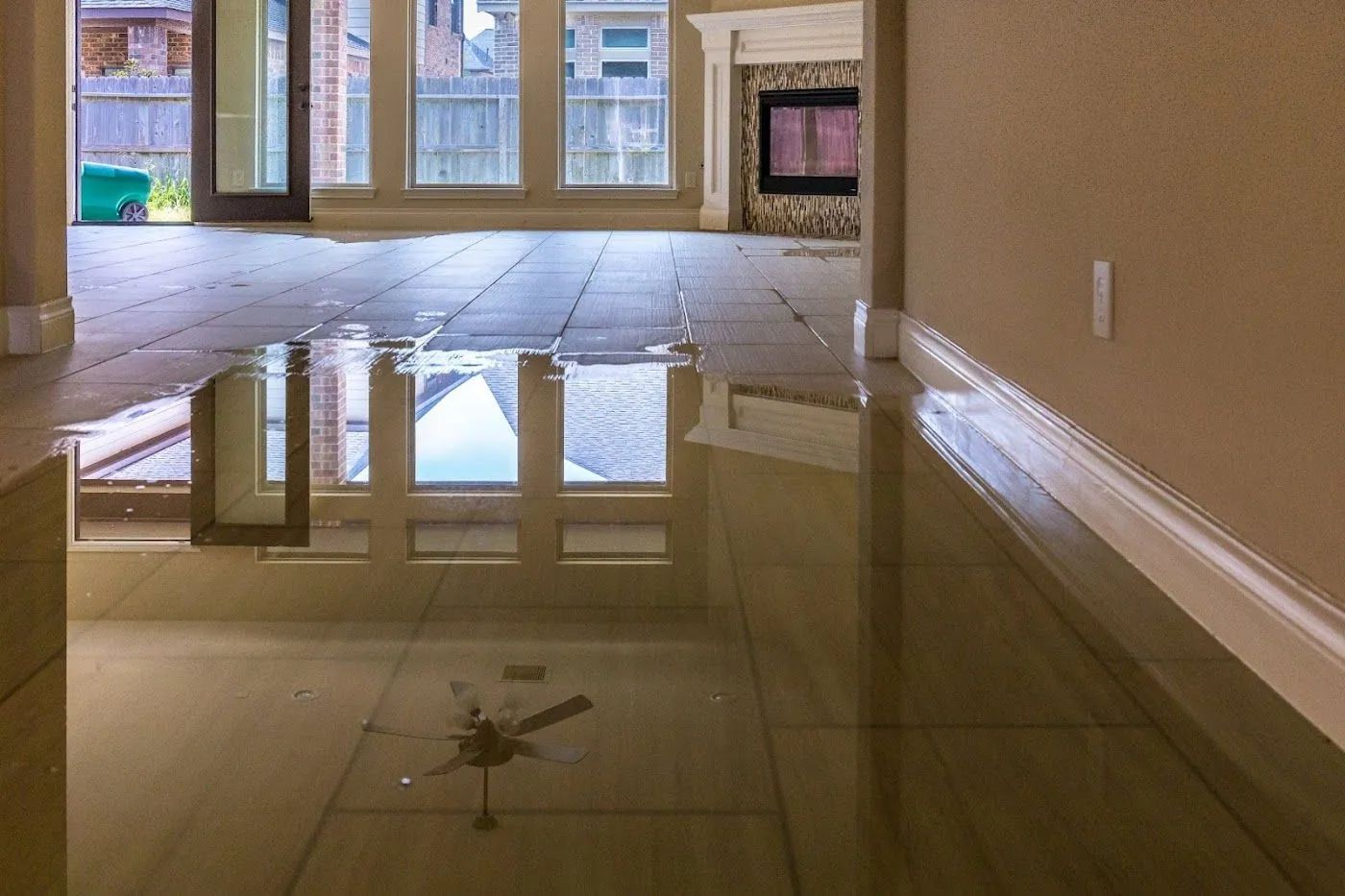
How Fast Water Extraction Can Prevent Costly Structural Damage

June 29, 2026

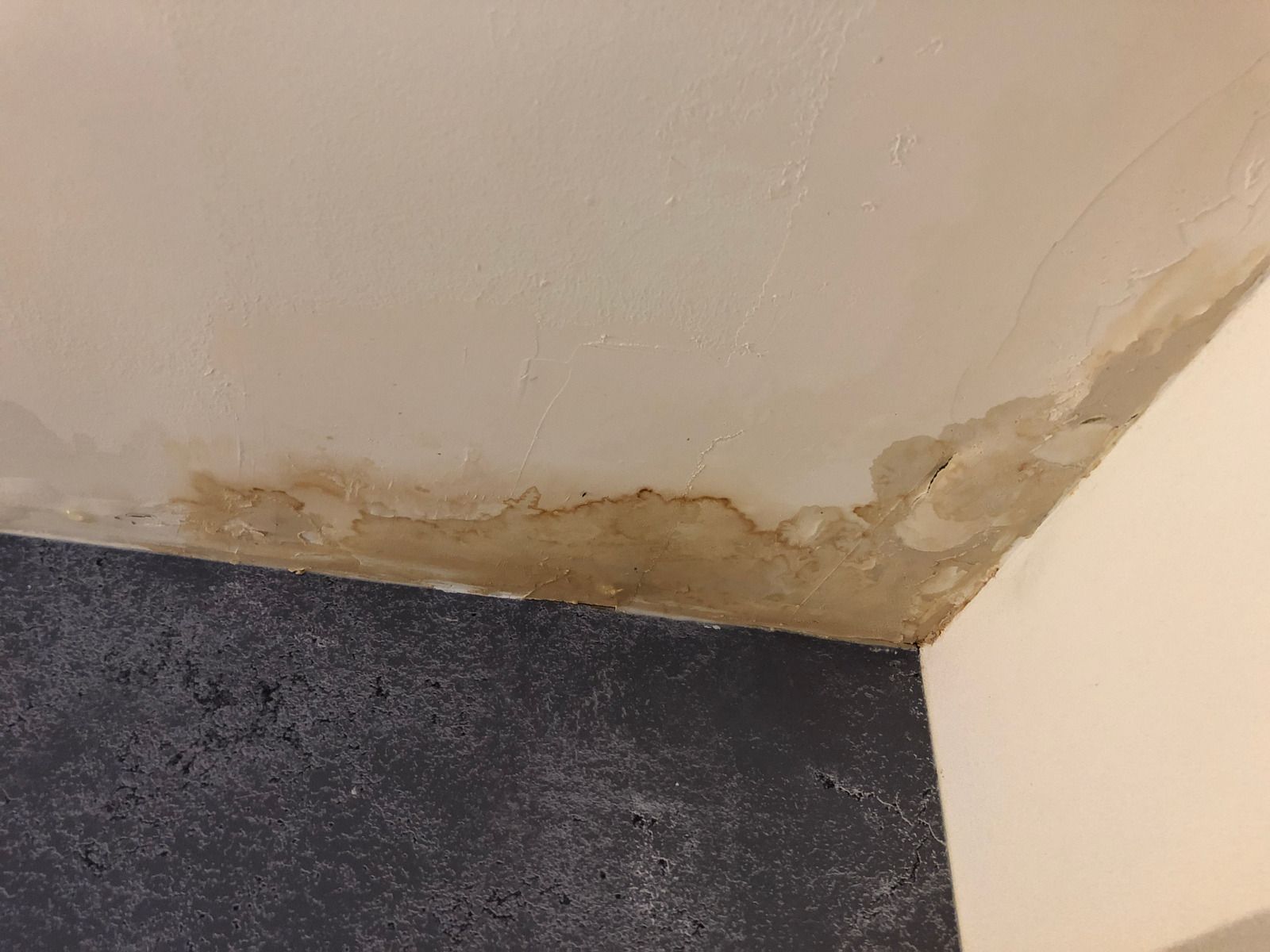
You come home, set down your bag, and feel the carpet give under your shoes like a wet sponge. A dark seam runs along the bottom of the wall, the air smells faintly of damp paper, and behind the drywall you can hear water moving. Your first instinct is to grab towels, but the water you can see is only a fraction of the damage already underway inside your walls.


What matters most right now: water does its worst work in the first hours, not the first days. How fast standing water is removed and the wet materials are dried is the single largest factor in whether you replace a baseboard or rebuild a wall. We have walked into homes one hour after a pipe burst and three days after, and the difference in what can be saved is night and day. Water follows gravity, then climbs, traveling deeper into your home every hour it sits.

Why The Water You Can See Is Only Half The Problem

The puddle on the floor is the smallest part of the job. Most of the damage that turns into a major repair lives where you cannot see it: behind the wall, under the flooring, and inside the subfloor. Hidden moisture follows three paths. It runs sideways under flooring, often surfacing a room or two away from the leak. It climbs wall cavities through wicking. And it sinks into the subfloor and pools there. That trapped dampness is also where mold gets its opening. Spores need only a damp surface and around 24 to 48 hours to take hold, and once they reach the back of your drywall, you are dealing with removal rather than drying. Fast extraction closes that window before the spores ever start.

How We Pull Water Out Fast

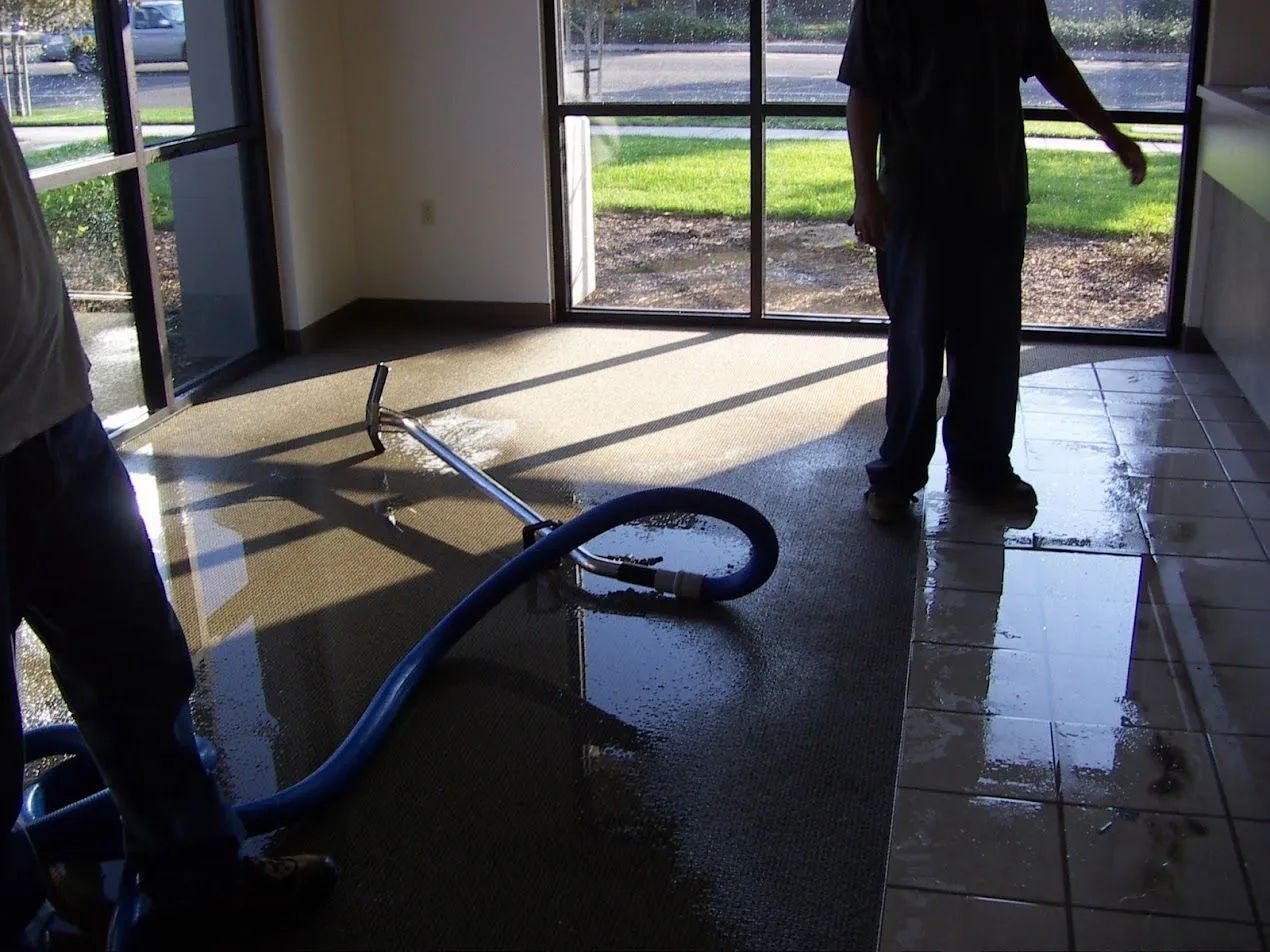
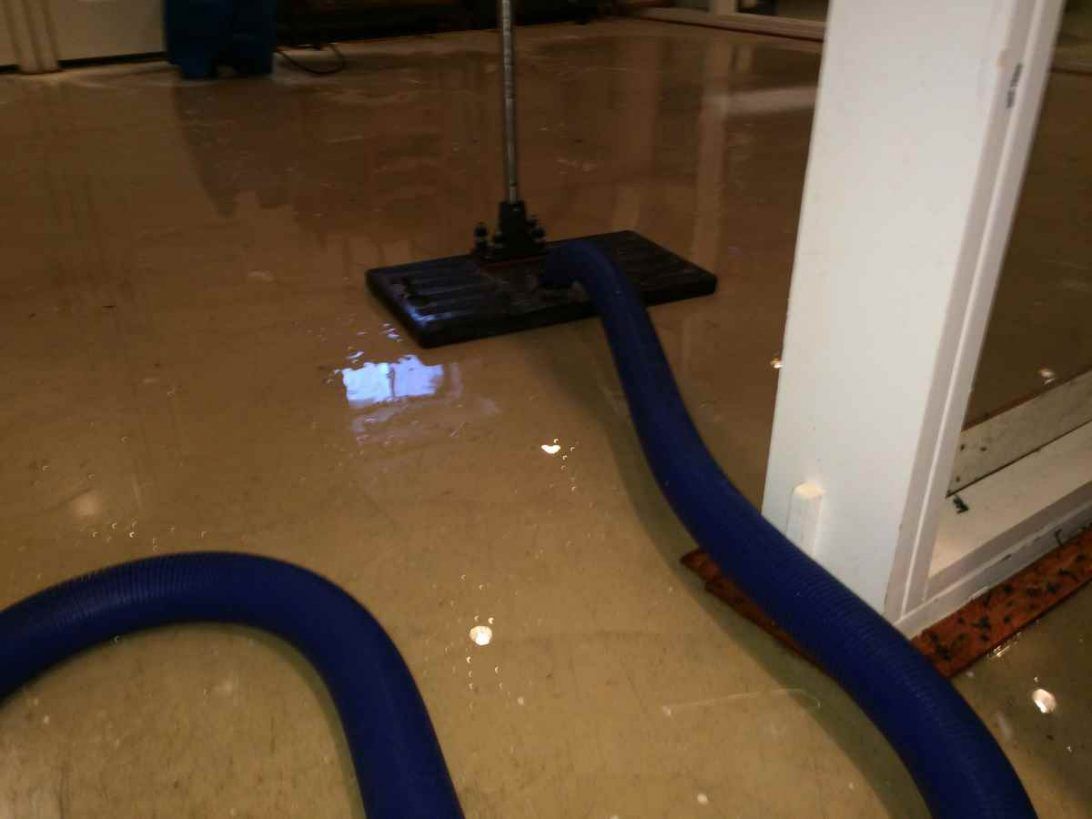
Speed in the field comes from removing standing water and chasing hidden moisture at the same time. We start with portable or truck mounted extraction units that pull water from carpet and pad far faster than any wet vacuum. Then we read the structure with a moisture meter and an infrared camera, which show where water has traveled inside walls and under flooring. From there we set air movers to push high volume air across wet surfaces and dehumidifiers to carry that released moisture out of the room. On service calls we frequently find the wettest material is not where you would expect, but two rooms over where water ran under the flooring and stalled. We track readings daily and keep drying until framing and subfloor return to a normal dry baseline, not just until the surface feels dry.

Why Manhattan Beach Homes Dry Slower

Homes near the coast dry slower than the national average, and that changes how water damage has to be handled here. The marine layer that rolls in most mornings keeps humidity high, and wet framing can only release moisture as fast as the surrounding air will accept it. A wall that would air dry in two days inland can stay damp here for four or five without mechanical drying. Many homes in the area sit on concrete slabs, and when water gets under flooring on a slab it spreads flat and wide with nowhere to drain, soaking large stretches of subfloor and baseboard. Salt in the air keeps surfaces holding moisture longer, and the older beach cottages here absorb water quickly through original wood subfloors. In this environment, waiting a day to start drying is often the difference between a dry out and a tear out.

Mistakes That Turn A Small Leak Into A Big Repair

The most serious water damage we see usually started with a reasonable decision that quietly made things worse. The most common is mopping the visible water and assuming the job is done, but moisture has already moved into walls and subfloor where towels never reach. The second is running a few household fans and calling it drying. Fans move surface air, but without a dehumidifier they push damp air around the room, and on a humid coastal day that air has nowhere to drop its moisture. The third is waiting to see if it dries on its own, which only pushes water deeper and opens the door to mold. The fourth is pulling up the obviously wet flooring while leaving the wet pad and subfloor beneath, which traps moisture against the structure and shows up as warping and odor weeks later. None of these are foolish; each is based on what you can see, and water does most of its work where you cannot.

Frequently Asked Questions

  • How fast does water need to be extracted to prevent structural damage?

    The first 24 to 48 hours decide most outcomes, so any standing water should come out within a few hours and structural drying should begin that same day. After two days, moisture has reached your framing and subfloor, and mold growth can turn a simple dry out into a rebuild. The faster the water leaves, the more of your home stays dry, sound, and livable.

  • Can I just dry the water myself with fans and towels?

    For a small, contained spill on a sealed surface, you can handle it yourself with towels and good airflow. For anything that reached carpet, walls, or flooring, the honest answer is no. Household fans only move surface air and cannot dry framing or subfloor, so the moisture trapped inside the structure keeps working out of sight and leads to warping, odor, and mold within days.

  • Is it safe to enter a flooded room before help arrives?

    Only after you cut power to that area at the breaker. Standing water hides submerged outlets and live appliances, which creates a real shock and electrocution risk the very moment you step into it. If you cannot reach the breaker safely, or the water is deep or still rising, stay out of the room entirely and wait for trained help to arrive and clear it.

  • Why does water damage seem worse in beach homes?

    Coastal humidity keeps the surrounding air full of moisture, so wet framing releases its water slowly and stays damp for days longer than it ever would inland. Many local homes also sit on concrete slabs, where water spreads flat and wide under the flooring with nowhere at all to drain. Salt in the ocean air keeps surfaces holding their moisture, slowing the drying even further.

  • How do I know if water reached inside my walls?

    Press a dry paper towel firmly against the wall base a few feet away from the most visible wet spot. If it darkens, then water has already wicked sideways inside the cavity. Soft or bulging drywall, peeling paint, a steady musty smell, or warm damp patches above the floor all signal trapped moisture, and a moisture meter confirms exactly how far it has truly spread.

Dependable Restoration Service Manhattan Beach Homeowners Rely On

The principle is simple: how fast water comes out decides how much of your home stays in. In a coastal climate like Manhattan Beach, where ocean humidity slows natural drying and slab foundations let water spread flat and wide, that first window closes faster and matters more. A leak that sits overnight here is already working its way into your framing. With more than 20 years of hands on water damage restoration experience, we at MDM Restoration respond fast across Manhattan Beach, California and the surrounding areas. Call us the moment you see standing water, and we will start pulling it out before it spreads into a wall.

What To Do In The First Hour

Move fast and move in order, because the first hour sets the ceiling on how much of your home survives.


  1. Stop the source. Shut the supply valve to the fixture, or close the main shutoff to the house.
  2. Cut power to the affected area at the breaker before stepping into any standing water.
  3. Lift and remove. Get furniture onto blocks, pull up rugs, and carry anything porous to a dry room.
  4. Pull the water out. A wet vacuum removes more than towels, and the faster it is gone, the less soaks into subfloor and framing.

WARNING: Do not walk into standing water in a room with wet outlets, power strips, or appliances until the breaker for that area is off. Water and electricity together create a real shock and electrocution risk.

TIP: Press a dry paper towel firmly against the base of the wall a few feet from the obvious wet spot. If it darkens, water has already wicked sideways inside the cavity, which means the wet area is wider than the puddle and needs faster drying than a fan can give it.

How Water Actually Destroys Structure

Water destroys structure by moving, not by sitting. The moment it pools, capillary action pulls it upward into drywall, baseboards, and studs, the way a paper towel draws a spill up its fibers. Wood framing and subfloor swell as they absorb it, and once moisture content passes roughly 16 to 20 percent, the wood loses strength and subfloor panels separate in layers. Drywall wicks water a foot or more above the waterline and stays wet long after the floor looks dry. Insulation traps that moisture against the studs, keeping the framing damp for days. In a coastal climate like ours, the surrounding air already holds enough moisture that wet framing releases it slowly, stretching that damp window even further. This is why a leak across ten square feet of floor can leave you replacing thirty square feet of wall.

Flooded room being cleaned with a vacuum hose, sunlight through glass doors.
May 16, 2026
Water damage can strike unexpectedly, whether due to severe weather, plumbing failures, or appliance malfunctions. The aftermath often leaves homeowners facing a difficult decision: handle the cleanup themselves or hire a professional water extraction service.
Black inflatable air duct hoses and blue portable fans lined up on a workshop floor.
April 24, 2026
Water damage can strike at any time, often unexpectedly, and its consequences extend far beyond a simple inconvenience. Whether caused by burst pipes, natural flooding, or roof leaks, water intrusion can compromise the structural integrity of a property, ruin personal belongings,
A room with severe water damage and extensive mold growth on the walls, a damaged ceiling, and debris on the floor.
March 18, 2026
Flooding is one of the most destructive natural disasters a property can face, often leaving behind significant damage that extends beyond visible water accumulation.
Flooded room being cleaned with a vacuum hose, sunlight through glass doors.
May 16, 2026
Water damage can strike unexpectedly, whether due to severe weather, plumbing failures, or appliance malfunctions. The aftermath often leaves homeowners facing a difficult decision: handle the cleanup themselves or hire a professional water extraction service.
Black inflatable air duct hoses and blue portable fans lined up on a workshop floor.
April 24, 2026
Water damage can strike at any time, often unexpectedly, and its consequences extend far beyond a simple inconvenience. Whether caused by burst pipes, natural flooding, or roof leaks, water intrusion can compromise the structural integrity of a property, ruin personal belongings,
A room with severe water damage and extensive mold growth on the walls, a damaged ceiling, and debris on the floor.
March 18, 2026
Flooding is one of the most destructive natural disasters a property can face, often leaving behind significant damage that extends beyond visible water accumulation.