
Step-by-Step Guide to Hiring a Reliable Water Damage Restoration Service
April 24, 2026
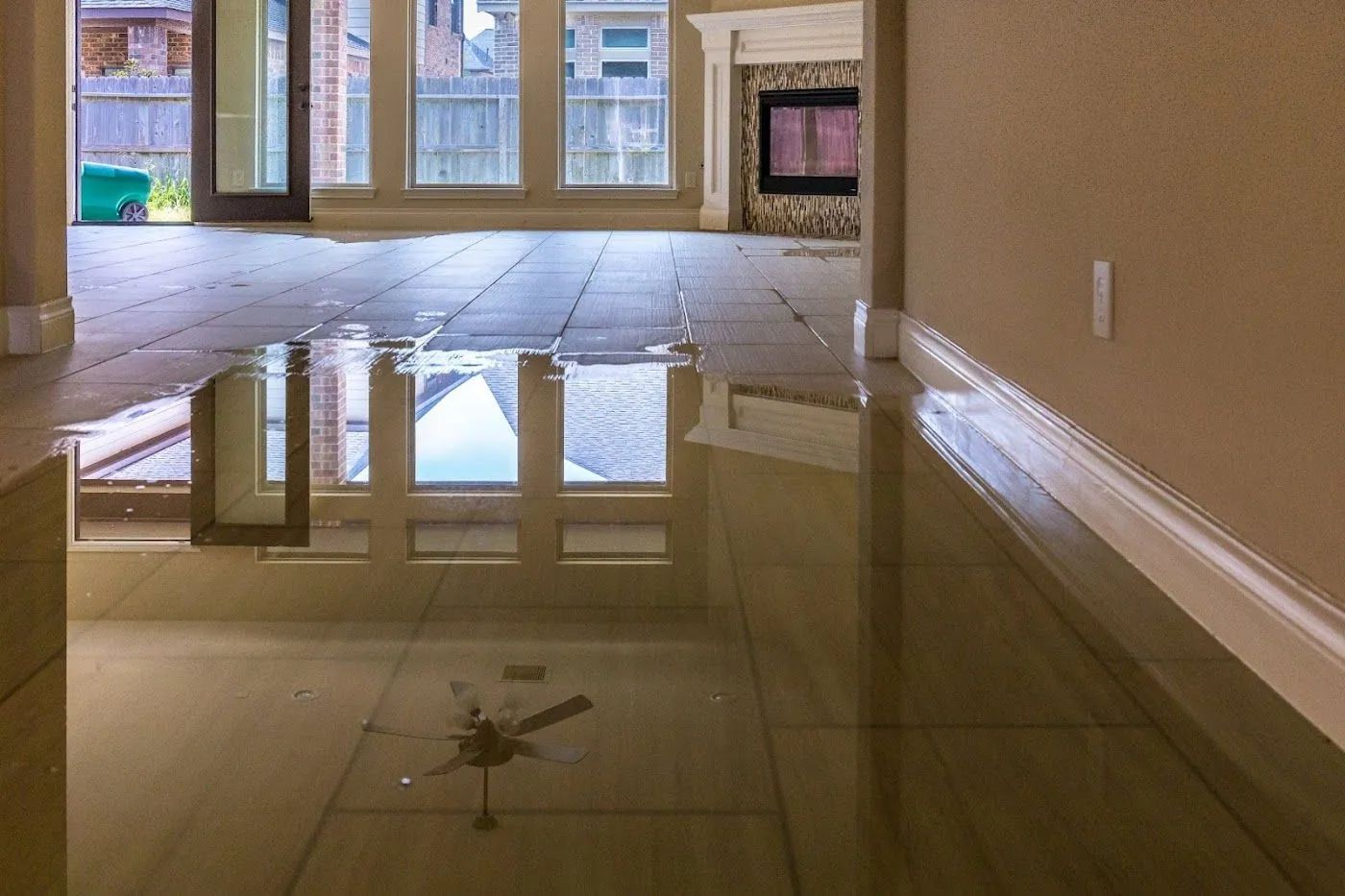
Water damage can strike at any time, often unexpectedly, and its consequences extend far beyond a simple inconvenience. Whether caused by burst pipes, natural flooding, or roof leaks, water intrusion can compromise the structural integrity of a property, ruin personal belongings, and create a breeding ground for mold and bacteria. Acting quickly is essential, as delays in restoration can escalate costs and increase health risks. However, hiring a reliable water damage restoration service can be challenging, given the number of providers and varying levels of expertise in the industry. Making an informed decision is crucial to ensuring effective restoration and long-term protection for a property.
Choosing the right service provider goes beyond selecting the first available company. It involves understanding the scope of the work, assessing technical capabilities, and verifying professional credentials. A structured approach can help property owners avoid costly mistakes, reduce stress, and achieve successful restoration outcomes. This guide walks through each critical step in hiring a water damage restoration service, offering actionable insights, expert reasoning, and practical tips to evaluate services thoroughly. By following these steps, property owners can safeguard their investment, minimize disruption, and restore a home or business efficiently and safely.
Evaluating Response Time and Availability
Importance of Rapid Response
Time is critical in water damage situations. Standing water can cause structural deterioration within hours, and mold growth can begin within 24–48 hours. A prompt response minimizes damage, reduces costs, and improves restoration outcomes. Providers that guarantee 24/7 availability are better equipped to handle emergencies efficiently, providing immediate water extraction and mitigation.
On-Site Assessment and Consultation
A reliable service provider typically conducts an on-site inspection before committing to a restoration plan. This assessment allows for a precise evaluation of affected areas, identification of potential hazards, and estimation of resources required. During the consultation, ask about equipment, drying techniques, and estimated timelines. Providers offering thorough on-site evaluations demonstrate professionalism and a structured approach to restoration.
Communication and Transparency
Clear communication is essential throughout the restoration process. Providers should explain the scope of work, methods used, potential challenges, and expected outcomes. Transparent discussions about pricing, insurance claims, and timelines foster trust and enable informed decision-making. Evaluate responsiveness and willingness to answer questions during initial inquiries, as this often reflects ongoing communication quality during restoration.
Verifying Equipment, Technology, and Techniques
Advanced Restoration Equipment
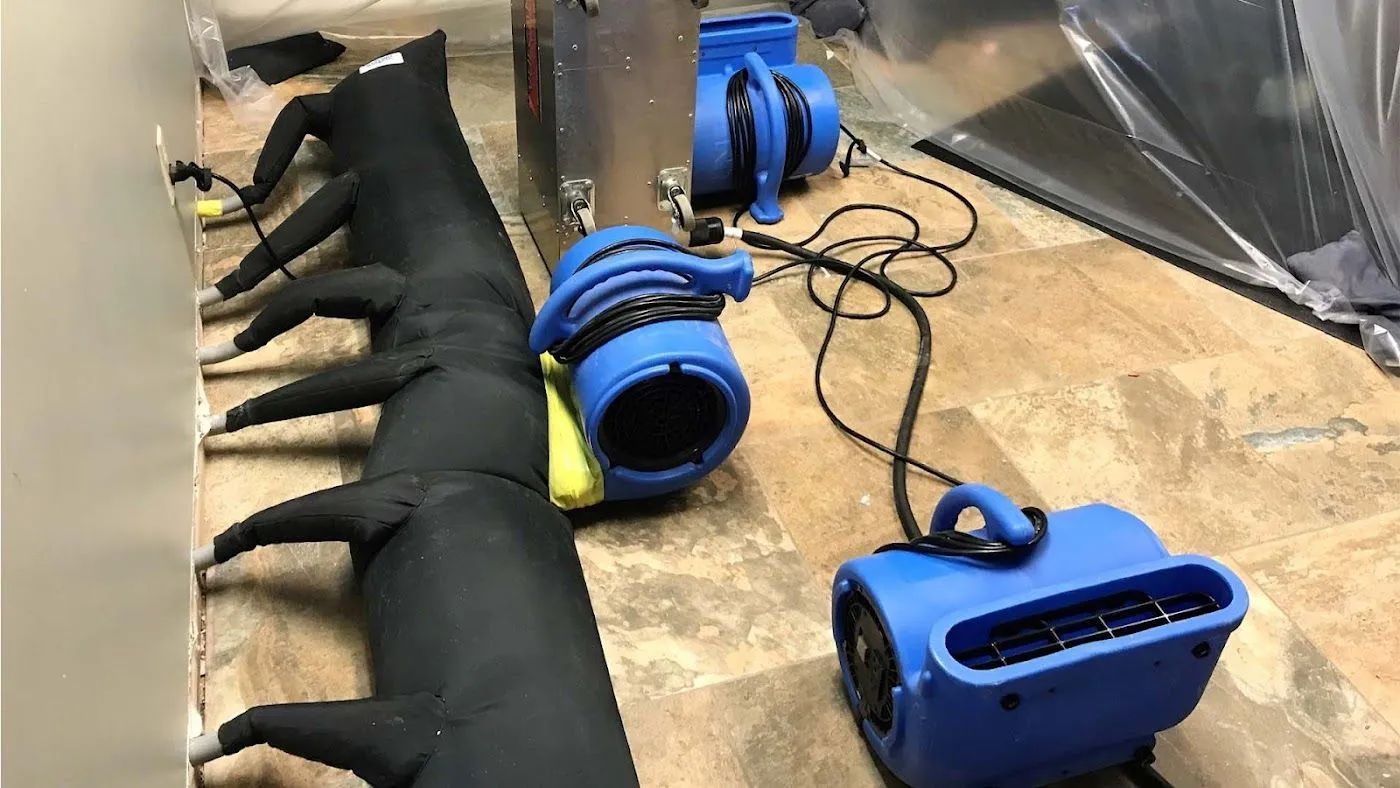
High-quality water damage restoration relies on specialized equipment such as industrial-grade dehumidifiers, moisture meters, infrared cameras, and water extractors. These tools ensure precise detection of hidden moisture, accelerate drying, and prevent mold growth. Evaluate whether the service uses state-of-the-art equipment suitable for both residential and commercial properties.
Modern Restoration Techniques
The methodology applied in water damage restoration can significantly impact results. Techniques such as structural drying using controlled airflow, antimicrobial treatments, and thermal imaging for moisture detection are industry best practices. Providers employing advanced methods demonstrate technical proficiency and a commitment to thorough restoration. Ensure that techniques are compliant with recognized safety and environmental standards.
Environmental and Safety Considerations
Water damage often involves hazards including contaminated water, mold spores, and chemical residues. Assess whether a provider follows strict safety protocols, including protective gear, containment procedures, and proper waste disposal. Additionally, eco-friendly solutions like biodegradable cleaning agents can minimize environmental impact while maintaining high restoration quality. Prioritizing safety and sustainability reflects professionalism and expertise.
Understanding Pricing, Estimates, and Insurance Handling
Requesting Detailed Estimates
Obtaining a comprehensive estimate is essential before engaging any restoration service. Estimates should include itemized costs for labor, equipment, materials, and additional services. Avoid providers who offer vague or overly low quotes, as these may indicate insufficient expertise or hidden charges. Transparent estimates allow for fair comparisons and prevent financial surprises.
Insurance Coordination
Many water damage restoration projects involve insurance claims. Providers experienced in insurance coordination can help document damage, prepare reports, and communicate with adjusters. Understanding the provider’s experience with insurance processes can simplify claim approvals, reduce delays, and ensure that restoration costs are covered appropriately. Clarify whether services include insurance claim assistance and documentation support.
Balancing Cost and Quality
While cost is a factor, it should not override quality. High-quality restoration reduces the likelihood of recurring issues, such as mold or structural damage, which can incur additional expenses. Consider value over price by weighing experience, technical expertise, and equipment against overall costs. Reliable providers deliver long-term results, ultimately saving time and money.
Confirming Guarantees, Warranties, and Follow-Up Services
Service Guarantees
Reputable restoration providers often offer guarantees on their work. Guarantees may cover successful water removal, structural drying, or mold prevention. A clear service guarantee indicates confidence in results and provides reassurance to property owners. Always request documentation outlining guarantee terms and conditions.
Post-Restoration Follow-Up
Water damage restoration is not always a one-time process. Follow-up inspections ensure that moisture levels remain controlled, mold growth is prevented, and structural integrity is maintained. Providers offering post-restoration support demonstrate accountability and commitment to long-term outcomes. Ask about available follow-up services and recommended maintenance practices.
Building a Trusted Partnership
Engaging a water damage restoration service can lead to a long-term partnership. Establishing trust with a reliable provider ensures future emergencies are managed promptly and effectively. Evaluate providers not only on technical capabilities but also on professionalism, transparency, and dedication to customer satisfaction. A trusted partnership enhances confidence during stressful situations.
Trusted Specialists Offering Efficient Water Damage Recovery
Selecting a water damage restoration service requires careful evaluation across multiple dimensions. Assess the scope of damage, understand water types, and determine immediate needs to prepare for a professional response. Research providers thoroughly by verifying credentials, certifications, and customer reviews. Prioritize rapid response, clear communication, and advanced restoration techniques. Obtain detailed estimates, consider insurance handling capabilities, and ensure a balance of cost and quality. Finally, review guarantees and post-restoration follow-up to secure long-term protection. Each of these steps reduces risks, enhances efficiency, and contributes to a successful restoration outcome.
MDM Water Damage and Mitigation
in Manhattan Beach, California, brings over 20
years of expertise to every water damage restoration project. With a focus on precision, reliability, and customer satisfaction, the service delivers comprehensive solutions from water extraction and structural drying to mold remediation and content restoration. Proven industry knowledge, advanced equipment, and strict safety protocols ensure that every restoration project meets the highest standards. Choosing MDM Water Damage and Mitigation
means partnering with a professional, experienced team committed to restoring properties efficiently and effectively while minimizing stress. Clients benefit from rapid response times, transparent communication, and consistent follow-up, providing peace of mind in critical situations. Property owners can confidently rely on MDM Water Damage and Mitigation
for complete, long-lasting solutions, safeguarding both the structural integrity of the property and the well-being of those who live or work within it.
Understanding the Scope of Water Damage Restoration
Assessing Damage Before Hiring
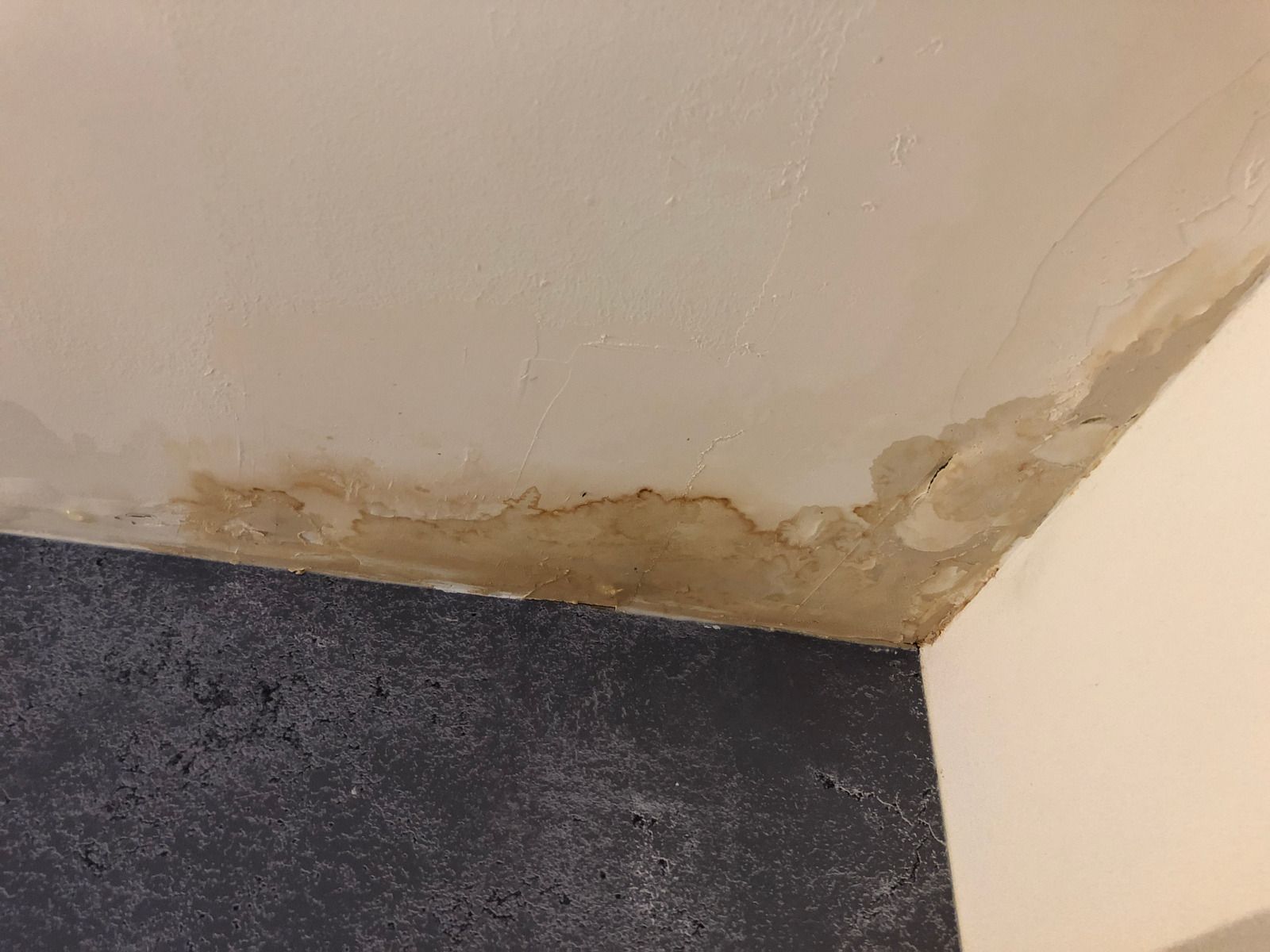
Before contacting any service provider, it is important to evaluate the extent of the damage. Water intrusion can vary from minor surface leaks to severe flooding that affects multiple areas. Conducting a preliminary assessment helps clarify the urgency and type of restoration needed. Look for visible signs such as water stains, warped floors, peeling paint, or musty odors. Checking for structural vulnerabilities like sagging ceilings or compromised walls provides a clearer picture of the restoration scope.
Identifying the Type of Water
Water damage is classified into three categories: clean water, gray water, and black water. Clean water comes from safe sources like broken pipes or rainwater and typically requires standard drying and repair. Gray water may contain chemicals or contaminants, often from appliances like dishwashers or washing machines, and requires more specialized handling. Black water, from sewage backups or floodwaters, is highly hazardous and demands professional remediation. Recognizing the type of water involved helps prioritize urgency and ensures the right safety protocols are applied.
Determining Immediate Needs
Immediate mitigation actions, such as shutting off water sources, moving valuables, and initiating temporary drying, can reduce long-term damage. Understanding the specific needs—such as water extraction, structural drying, mold prevention, and content restoration—prepares property owners to communicate clearly with restoration services. Clear identification of priorities also helps in obtaining accurate estimates and timelines, which is critical when evaluating service providers.
Researching and Shortlisting Potential Services
Seeking Professional Credentials
Not all water damage restoration services operate with the same level of expertise. Certified professionals with recognized industry credentials demonstrate adherence to technical standards and best practices. Look for certifications from organizations like the Institute of Inspection Cleaning and Restoration Certification (IICRC), which validate knowledge in water damage restoration, mold remediation, and structural drying. Proper licensing and insurance coverage are equally important, ensuring accountability and protection in case of accidents or further damage.
Reading Reviews and Testimonials
Online reviews, testimonials, and case studies offer valuable insights into a service provider’s track record. Focus on detailed accounts that describe the type of water damage handled, efficiency of response, quality of restoration, and communication. Patterns in customer feedback reveal strengths and potential weaknesses, helping eliminate services that fail to meet expectations. For added confidence, seek references from past clients for direct verification.
Comparing Service Offerings
Services in water damage restoration can vary significantly. Evaluate whether a provider offers comprehensive solutions, including water extraction, structural drying, mold remediation, sanitation, and content restoration. Additional services like document recovery or odor removal can be advantageous in complex scenarios. Comparing offerings ensures that the provider can address all aspects of the damage without requiring multiple contractors, streamlining the restoration process.