
Pipe Burst or Appliance Overflowed? What to Do in the First Hour
August 29, 2026
Quick Answer: The moment you spot a burst pipe or an overflowing washer, dishwasher, or water heater, shut off the water at the source or the main valve, then cut power to the affected area at the breaker if outlets or appliances are wet. Remove standing water and soaked items as fast as you can, get air moving through the space, and call a restoration crew within the hour. Materials start absorbing water immediately, and mold can take hold in as little as 24 to 48 hours, so the first sixty minutes decide how much of your home you keep.
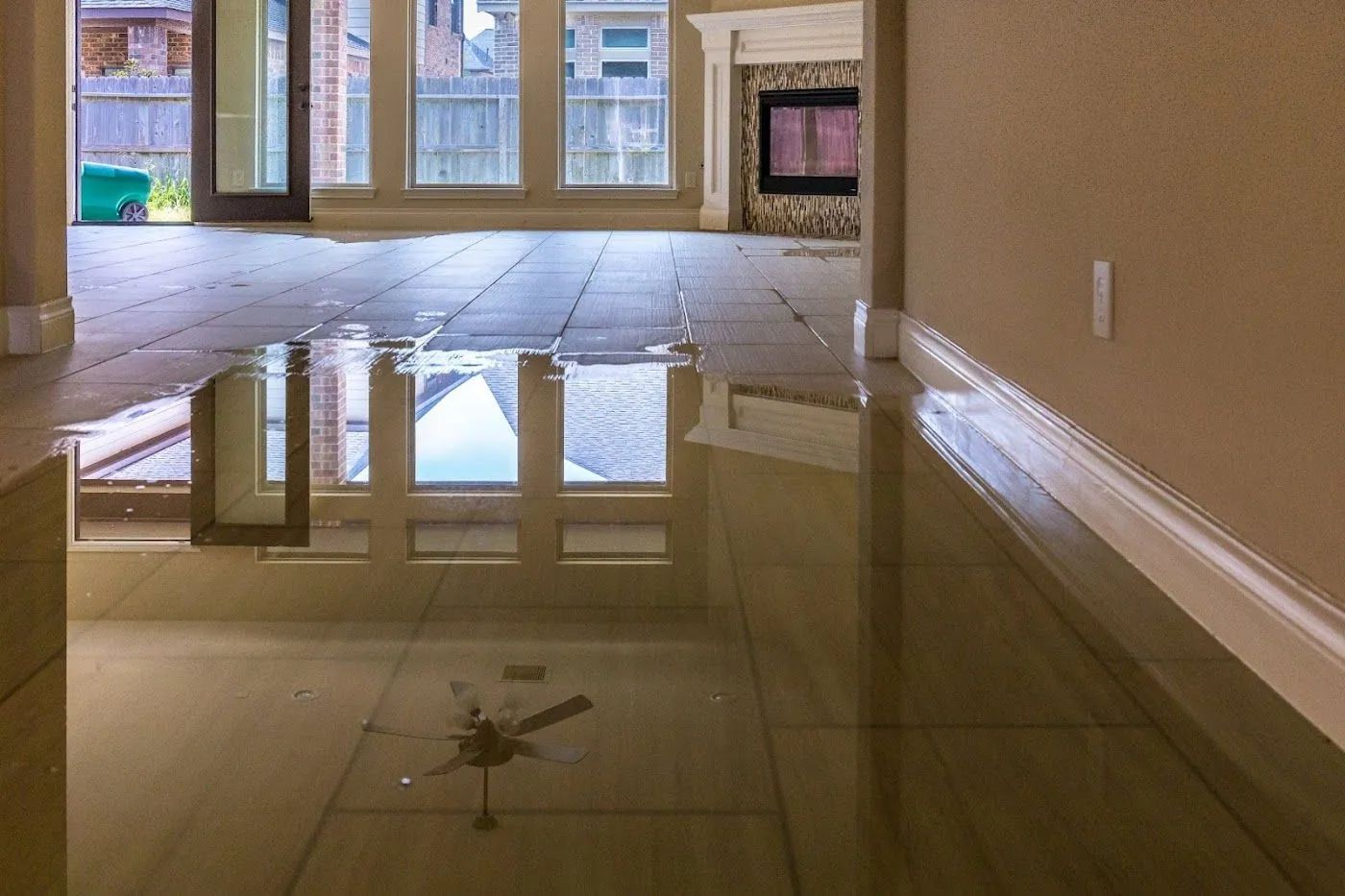
Your floor is an inch deep in water and it's still rising. Maybe a supply line let go behind the washer. Maybe a pipe under the slab finally gave out after years of quiet pressure. Either way, your first instinct is probably to grab towels and start mopping. Don't. Shut off the source first — every minute the water keeps flowing is another minute soaking into flooring, baseboards, and drywall that won't dry on its own.
Here's what actually needs to happen, in order, during that first hour
Mold Doesn't Wait for You to Catch Up
Here's the part most homeowners underestimate. Materials start absorbing water the moment it touches them. Drywall, wood flooring, subflooring, and carpet padding all begin swelling and weakening within the first 24 hours. From there, moisture that isn't fully extracted and dried creates exactly the conditions mold needs. Mold spores are already present in nearly every home, and they can begin colonizing damp material in as little as 24 to 48 hours.
That window is shorter than most people expect, and it's shorter still on the coast. The marine layer and higher ambient humidity common in Manhattan Beach, Hermosa Beach, El Segundo, and the rest of the South Bay mean wet materials dry more slowly than they would inland, which narrows the margin even further. A pipe burst that might take three days to turn into a mold problem in a dry climate can start showing signs in half that time here, especially in a closed-up house with the marine layer rolling in overnight.
So the goal in that first hour isn't just mopping up what you can see. It's getting moisture out of materials before it settles into places you can't see — inside wall cavities, under flooring — and starts spreading from there.
Know When It's Bigger Than a Mop and Bucket
Some situations call for immediate professional extraction rather than a DIY response, even within that first hour. Water that's crossed into more than one room needs a bigger response fast — once it's over a threshold into a hallway or adjoining space, the surface area needing extraction and drying grows quickly, and hand tools stop being enough.
A slab leak is its own category. Older South Bay homes are known for slab plumbing that fails quietly for weeks before it ever surfaces. If you're seeing water coming up through the flooring itself rather than from a visible pipe or appliance, that's the sign — and moisture has likely been spreading beneath the floor longer than you realize.
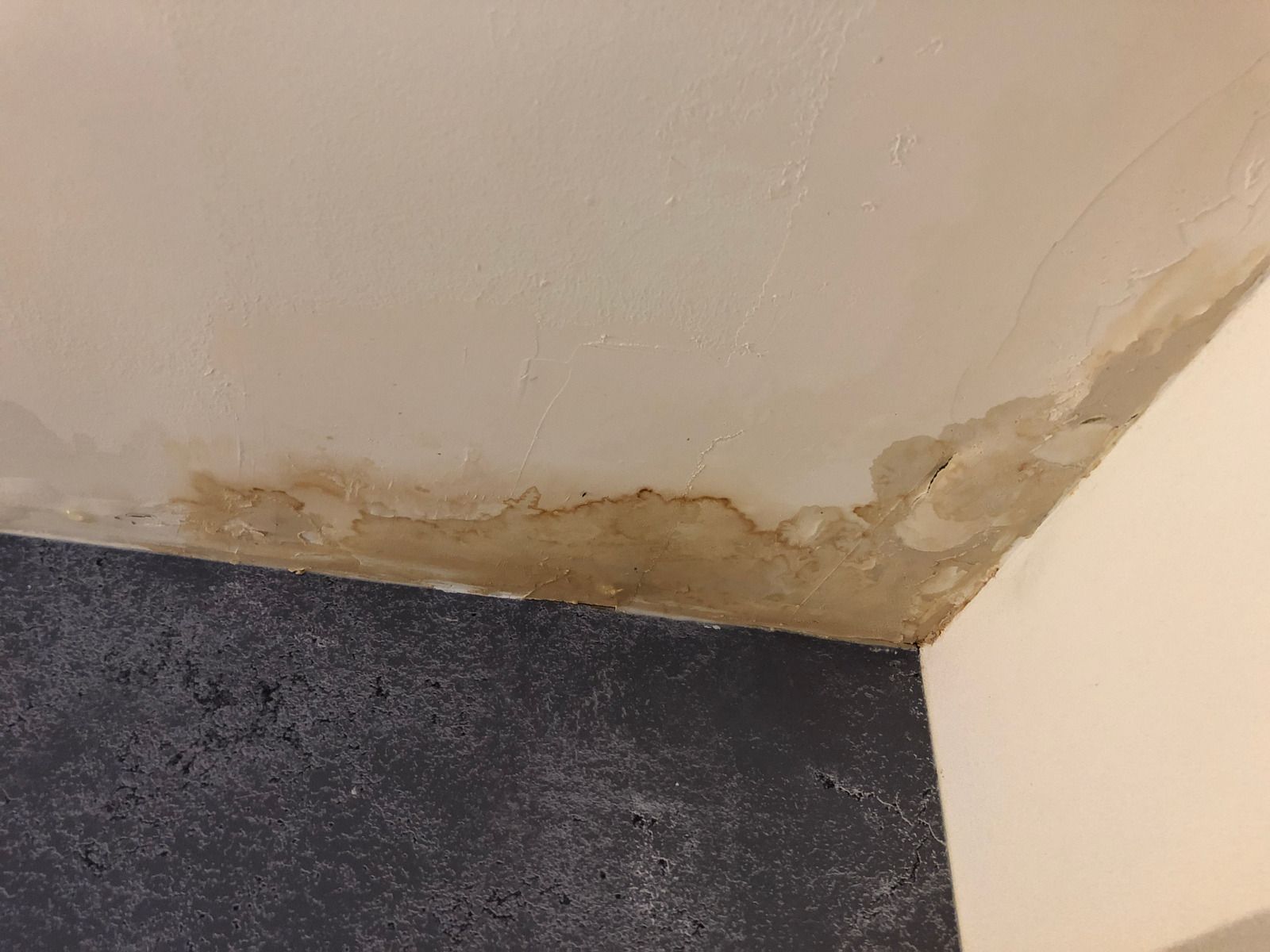
Water that's reached drywall, baseboards, or insulation is another line you don't want to cross alone. Once water gets inside a wall assembly, extraction and drying require moisture-mapping tools that go well past towels and fans. And anything involving a water heater or sewage line can carry contamination that changes how the cleanup needs to be handled — not a call to make without the right equipment and protective gear.
In any of these situations, the smartest move after your immediate shutoff and safety steps is getting a restoration crew on site fast, rather than spending hours trying to manage it solo.
What Professional Extraction and Drying Actually Fix
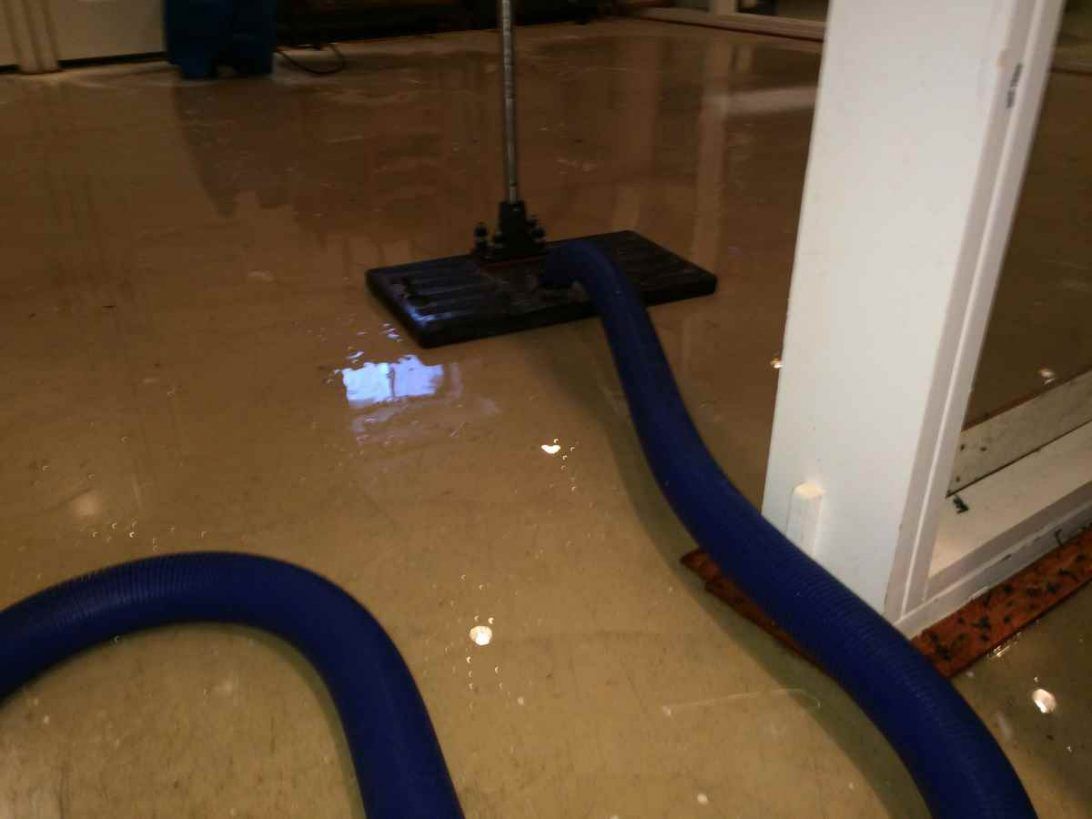
Once a crew arrives, the process moves well past what a shop vac can touch. Industrial extraction pumps pull bulk water out of flooring, carpet, and padding far faster than consumer tools ever could. From there, moisture mapping with meters and thermal imaging finds water that's already traveled somewhere you can't see — behind baseboards, under cabinets, inside wall cavities — so it isn't sitting there quietly feeding mold growth after the visible water is gone.
Structural drying equipment, including commercial-grade dehumidifiers and high-velocity air movers, brings moisture levels back down to normal before secondary damage like warping, buckling, or mold colonization gets a foothold. This is the step that separates a fully resolved water event from one that comes back weeks later as a musty smell or a soft spot in the flooring.
Frequently Asked Questions
How fast does mold actually start after a pipe bursts or an appliance overflows?
Mold can begin developing within 24 to 48 hours when wet materials remain damp. Coastal humidity may slow drying, making prompt water extraction and thorough drying especially important after a household water emergency.
Should I try to shut off the water myself or wait for a professional?
If you can safely reach the appliance or main shutoff, turn it off immediately. Stopping the flow quickly limits additional damage and reduces the amount of water that must eventually be extracted.
Is it safe to use a regular vacuum on flood water?
No. Household vacuums are not designed for water and can create electrical hazards. Use a wet/dry vacuum only when the area is electrically safe, and avoid equipment near outlets or submerged electrical connections.
Can wet carpet and padding be saved if I act fast enough?
Sometimes. The outcome depends on water type, exposure time, and saturation. Carpet padding can retain significant moisture beneath the surface, so professional extraction and drying may be necessary to determine whether materials can be saved.
What's different about a slab leak compared to a burst pipe I can see?
A slab leak occurs beneath the foundation, causing water to surface through flooring instead of appearing from visible plumbing. By the time moisture becomes noticeable, water may have already traveled beneath floors.
Do I need to worry about the walls if the water only touched the floor?
Yes. Water can wick upward into baseboards and drywall even when flooding stays low. Moisture mapping can identify hidden saturation that may otherwise remain unnoticed and contribute to further damage or mold growth.
The First Hour Can Limit Water Damage
A burst pipe or overflowing appliance can turn a manageable plumbing problem into widespread property damage within minutes. Acting quickly helps keep water from spreading beneath flooring, into drywall, and behind cabinets where hidden moisture can create longer-term problems. Once the water source is controlled and immediate safety concerns are addressed, removing standing water and increasing airflow can help slow further absorption. The goal is to stabilize the affected area before moisture has more time to travel.
For homeowners in Manhattan Beach, CA, fast response is especially important because coastal humidity can make already-wet materials slower to dry. MDM Restoration
has more than 20
years of experience helping property owners address water damage with a methodical approach focused on extraction, moisture control, and thorough structural drying. Taking the right steps early can reduce the extent of damage and make the
restoration process
more straightforward.
Shut Off the Water First
Nothing else matters until the flow stops. If a single appliance is the culprit — a washing machine, dishwasher, water heater, or refrigerator ice line — look for a small shutoff valve on the supply hose behind or beneath the unit and turn it clockwise until it stops. Newer ball-valve styles need only a quarter turn. Older gate valves take several full rotations, so don't panic if it doesn't stop right away.
Can't find or reach the appliance valve? Water coming from inside a wall, ceiling, or the slab itself? Go straight to your home's main shutoff. In most South Bay homes it's near the water meter, in the garage, or along an exterior wall close to where the main line enters the house. Turn it fully clockwise. This cuts water to the whole house — the right move when you're not sure exactly where the failure is.
If the valve won't budge, don't force it hard enough to snap the stem. Use both hands, or grab a wrench for extra grip. If it truly won't turn, call your water utility's emergency line to shut off service at the street while you wait for help.
Cut Power Before You Step Into Standing Water
Once the water's off, check for electrical hazards before you do anything else. If water has reached outlets, a power strip, or a plugged-in appliance, don't walk through it to unplug things. Head to your electrical panel and shut off the breaker for that room. Not sure which breaker controls the flooded space, or is the panel itself wet? Shut off the main breaker for the whole house and wait for a professional to confirm it's safe.
WARNING: Never step into standing water near an active electrical outlet, appliance cord, or panel. Water conducts electricity, and a wet floor near a live circuit is one of the most common causes of injury during a home flooding event. When in doubt, kill the power at the main breaker and stay out of the water until it's confirmed safe.
Move Belongings Out of the Water's Path
With water and electrical risk under control, you've got a short window to protect what you can. Start with electronics and cords — unplug and move anything electronic well away from the wet area, even if it hasn't gotten wet yet, because water spreads faster than it looks like it will.
Furniture legs sitting in or near standing water need help too. Slide aluminum foil, small wood blocks, or plastic caps underneath them so wood and upholstery stop wicking water up from the floor. Rugs, boxes, and paper goods sitting directly on a wet floor should be lifted and moved to a dry room — cardboard acts like a sponge and starts failing within an hour in standing water. Curtains and drapes near the flood line should be pinned or clipped up off the floor so the fabric doesn't wick moisture into the hem and spread staining upward.
Skip the full cleanup at this stage. The goal right now is triage, not restoration — grab the easy wins and leave the heavy lifting for extraction.
Start Pulling the Water Off the Floor
Once people and belongings are safe, start removing water from hard surfaces. A wet/dry shop vacuum handles tile, vinyl, and sealed hardwood well. Towels and a mop work for small amounts, but anything past a puddle calls for a shop vac or submersible pump — they'll move far more water in far less time than you can by hand.
Skip the household vacuum entirely. Standard vacuums aren't built for water and can short out or shock you. And if the water reached an outlet or you're at all unsure about electrical safety in the room, wait for confirmation that power is off before running any equipment there.
Carpet and padding are a harder call. A carpet that's sat in standing water for more than an hour or two is usually saturated well past what a shop vac can pull out. The padding underneath holds water like a sponge no matter how dry the surface looks. That's a job for extraction equipment built to pull water from both layers, not just blot the top one.
TIP: Open interior doors and turn on ceiling fans or box fans to start moving air across wet surfaces right away. Getting airflow going in that first hour — even before extraction equipment shows up — measurably slows how deep water penetrates into flooring and subflooring.