
Slow Leak Behind a Wall or Under a Sink? Signs Before It Gets Worse
October 31, 2026
Quick Answer: A slow leak behind a wall or under a sink usually shows up as a musty smell, a soft or swollen cabinet floor, paint that bubbles or peels, a faint brown stain that keeps growing, or a water meter that moves when every fixture is off. The EPA notes that wet materials dried within 24 to 48 hours rarely grow mold, so a leak that drips for weeks has already passed that window. To check, shut off every fixture, read your meter, wait two hours, and read it again. Any change means water is escaping somewhere. Press the cabinet floor and the bottom of the nearby wall with a screwdriver tip. If either feels spongy, stop the water at the shutoff valve and have the area opened up and dried before the damage spreads to framing and flooring.
You open the cabinet under the kitchen sink to grab the dish soap and something smells off. Not rotten, exactly. Closer to a damp towel left in a gym bag. You tell yourself it's the trash, close the door, and move on. Two weeks later the smell is back, and now the cabinet floor looks a shade darker than it used to.
That small moment is how most slow leaks get discovered. There's no gush, no flood, no puddle spreading across the tile. Just a few drops a minute finding their way into wood and drywall, where nobody is looking. Because the water moves so quietly, it gets weeks or months of head start on you.
This guide walks through what a slow leak actually does inside a wall or cabinet, the early signs worth taking seriously, a few checks you can run yourself in an afternoon, and the point where it makes sense to hand the job to a restoration crew. Nothing here needs special tools beyond a flashlight, a screwdriver, and your water meter.
How to Confirm a Slow Leak Yourself
You can learn a lot in an afternoon with a few simple checks. These steps won't find every leak, but they tell you whether you have one and roughly where to look.
Run The Meter Test
Turn off all water use and record your meter reading, including the leak indicator. Wait two hours, then check again. Any change suggests leakage.
Rule Out The Toilet First
A worn flapper can silently waste thousands of gallons yearly. Add food coloring to the tank, wait ten minutes, and check whether color reaches the bowl.
Press And Probe
Use a screwdriver tip on cabinet floors, walls, and swollen baseboards. Healthy materials resist pressure, while wet or rotting materials yield easily.
Compare Your Usage
Compare current consumption with months when you used less water. EPA guidance says unusually high household usage can indicate serious leaks requiring investigation.
Map What You Find
Sketch the room and mark stains, soft spots, odors, and damp areas. Water travels, so these patterns can help identify the source.
WARNING: If you find a soft, sagging section of wall, a ceiling that bulges, or any wet spot near an outlet, switch off power to that area at the breaker before you touch anything. Water and live wiring do not mix, and a slow leak can reach electrical boxes without any warning.
Why Older South Bay Homes Hide These Leaks So Well
Homes around Manhattan Beach, Hermosa Beach, Redondo Beach, and El Segundo carry some quirks that make a slow leak harder to catch.
The Marine Layer Keeps Air Damp
Coastal South Bay mornings stay humid, slowing evaporation. Leaked water can remain trapped for days inside cabinets and wall cavities.
Older Plumbing, Older Walls
Many older homes retain aging supply lines, galvanized pipes, or copper. Pinhole leaks can release moisture inside walls for months unnoticed.
Slab Construction Hides The Floor
Homes built on concrete slabs can conceal plumbing leaks. Water may spread beneath flooring and baseboards before visible surface damage appears.
Tight, Finished Spaces
Remodeled kitchens and bathrooms can hide older plumbing behind cabinets, tile, and walls. Limited access makes small leaks difficult to inspect.
What Happens If You Wait
A slow leak does not stay slow forever. Connections that weep today can fail outright tomorrow, and the damage in between builds in layers.
Mold Gets Established
Mold spores already circulate through homes and need moisture to grow. Behind walls, mold can colonize drywall, paper facing, and framing.
Wood Loses Strength
Studs, plates, and subfloors can soften when they remain wet. Months of leakage may leave damaged framing requiring repairs rather than drying.
Materials Cross The Point Of No Return
Wet drywall, insulation, and particleboard can hold water and deteriorate. Once these materials become soft, removal may become necessary for proper remediation.
The Leak Widens
A slow leak at a corroded fitting can weaken metal over time. Eventually, the connection may fail, turning a drip into spray.
What to Do the Moment You Find One
Stay calm. A slow leak buys you a little room, but not much. Work through these steps in order.
Stop The Water
Close the shutoff valve under the sink or fixture. If unavailable, use the home's main shutoff and turn clockwise until fully closed.
Dry What You Can Reach
Remove cabinet contents, mop standing water, and use a fan to circulate air. Open doors for ventilation, but avoid heaters that push moisture deeper.
Don't Paint Or Caulk Over It
Do not paint or caulk over moldy surfaces. Sealing moisture inside can trap the problem and allow hidden growth to continue spreading.
Document With Photos
Photograph every stain, soft spot, and corroded fitting before moving anything. Clear photos help contractors understand the damage's location and extent.
Limit What You Disturb
Disturbing hidden mold can release spores. If mold is suspected, use gloves, goggles, and an N95 respirator, and avoid opening walls yourself.
When It's Time to Call a Restoration Crew
Some leaks are a quick fitting replacement and an afternoon of airing out. Others have gone further than you can judge by looking. A few signs tell you it's beyond a mop and a fan.
The EPA says that a moldy area under about 10 square feet is something many homeowners can handle, and that anything larger, or any damage tied to a lot of water, calls for more experienced help. Sewage or contaminated water is always a professional job.
Call for help when the wall or floor feels soft, when the stain has spread past a hand's width, when the smell returns after you've cleaned, when moisture has traveled into a second room, or when you can't find the source. Also call if the meter keeps moving after you've shut off the obvious fixtures. That points to a leak inside a wall or under a floor.
What A Crew Does Differently
A restoration crew uses moisture meters and thermal imaging to locate hidden wet materials. They remove damaged sections, dry thoroughly, and monitor readings.
Why The Plumbing Repair Is A Separate Step
Restoration addresses water damage, while a plumber repairs the failed pipe or fitting. Both may occur together, stopping leaks before drying begins.
Frequently Asked Questions
How can I tell if I have a slow leak behind a wall?
Look for a musty smell, a growing stain, peeling paint, or soft drywall. Then shut off all water, read your meter, wait two hours, and read it again to confirm.
How long does it take for a slow leak to cause mold?
The EPA says mold can begin when materials stay wet beyond 24 to 48 hours. A slow leak keeps one spot damp continuously, so growth often starts well before any stain or smell appears.
Can I just replace the leaking part and leave the cabinet or wall alone?
Fixing the source is the first step, but it does not dry what is already wet. Swollen cabinet floors and soft drywall usually need removal or proper drying to prevent mold.
Is a small leak under a sink really worth worrying about?
Yes. A fitting that weeps today can fail completely later, soaking the cabinet, subfloor, and wall behind it. Catching it early often means a small repair instead of a tear out.
Why does the damage show up far from where the leak started?
Water follows gravity, then spreads sideways through absorbent materials along pipes, studs, and subfloors. The stain you notice may sit several feet from the true source.
Should I use bleach to kill the mold I find?
The EPA does not recommend bleach as routine mold cleanup. Detergent and water, thorough drying, and fixing the moisture source matter most. Never mix bleach with ammonia based cleaners.
Catching Hidden Moisture Before It Spreads Further
A slow leak earns its damage through patience. A musty smell, a stain that keeps growing, a soft cabinet floor, or a meter that moves with every fixture off all point to water escaping where nobody is looking. Stopping the source comes first, but wet drywall, particleboard, and insulation rarely recover on their own, so drying and removal matter just as much. Acting inside the first day or two of moisture gives materials a real chance, while weeks of dampness make mold and softened framing far more likely.
Homeowners in Manhattan Beach, CA, who suspect moisture behind a wall can turn to MDM Water Damage and Mitigation, a crew with 20+ years of experience in finding and drying hidden water damage. Moisture meters and thermal imaging show what the eye cannot, so only the affected sections need to be opened. Coastal humidity slows drying in South Bay homes, which makes a thorough check worth the effort. A leak handled early usually ends with a small repair instead of a full tear out.
Why Slow Leaks Do More Damage Than Burst Pipes
A burst pipe is loud and obvious, so people react within minutes. A slow leak does the opposite. It trades speed for patience, and patience is what wood, drywall, and mold are good at.
Water that escapes a few drops at a time never pools. It soaks into the nearest absorbent surface, whether that's the particleboard floor of a sink cabinet, the paper face of drywall, or the insulation packed around a supply line. Those materials wick moisture sideways and upward, so a fitting that weeps at floor level can leave a wet patch two feet higher inside the wall cavity.
The Drying Window Closes Fast
EPA guidance says damp materials dried within 24 to 48 hours usually avoid mold growth. Slow leaks prevent drying.
Nothing Resets Between Drips
After a spill, surfaces dry. With slow leaks, water keeps returning, gradually worsening stains, odors, and soft spots.
The Structure Takes The Hit Quietly
Water against wall plates, studs, or subfloors can soften wood before paint shows damage. Visible stains may appear much later.
The Early Signs Behind a Wall
Walls hide plumbing for a reason, since nobody wants to look at pipes. But walls also keep leaks out of sight, so you have to read the surface the way a doctor reads skin. Here is what to watch for.
A Smell You Can't Clean Away
A musty odor in a clean room can indicate trapped moisture. Stronger smells near plumbing walls make leaks more likely.
Stains That Change Shape
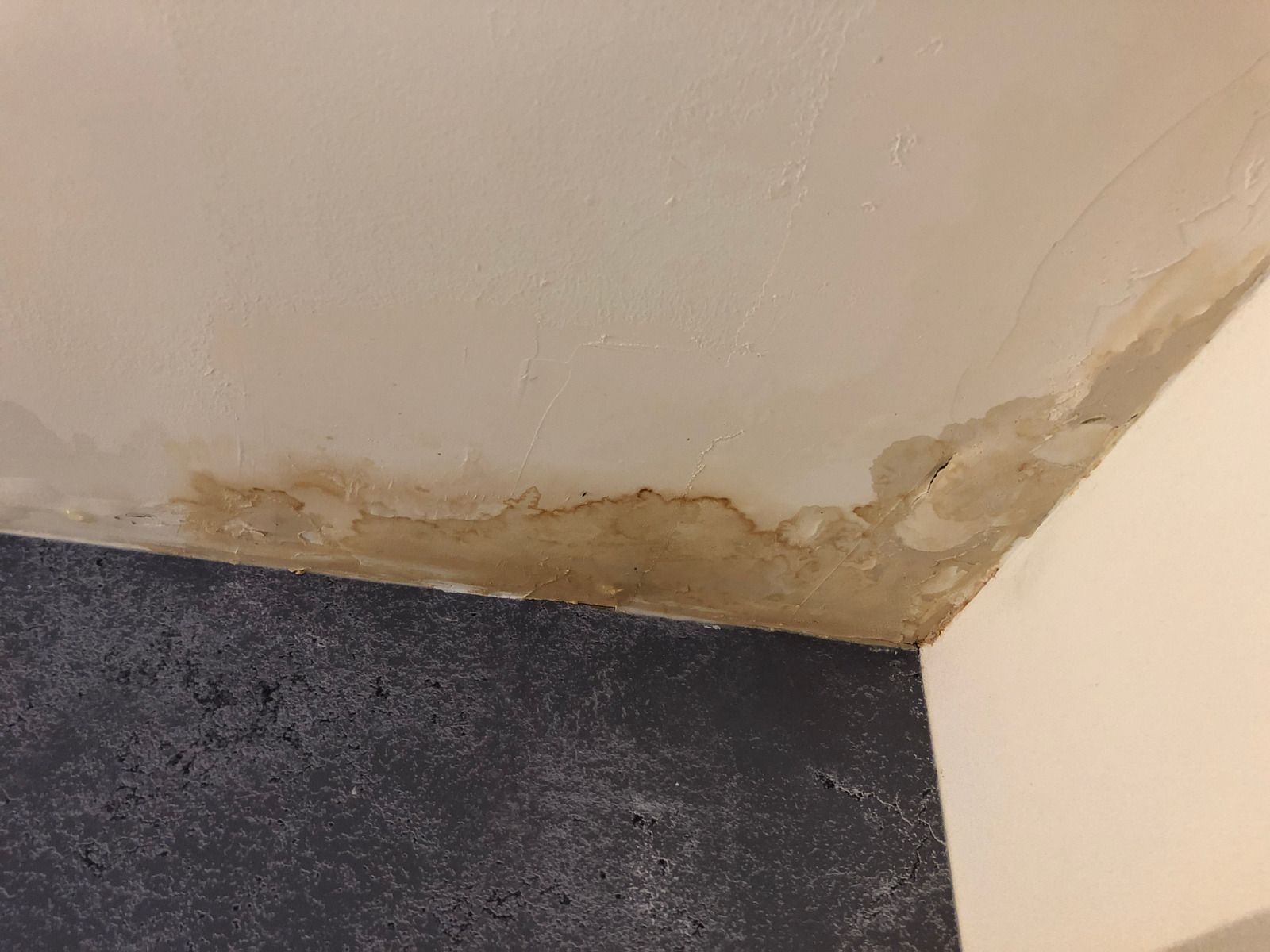
Brown or yellow rings can indicate water movement. Growing stains, darkening edges, or new rings usually suggest continuing moisture.
Paint That Bubbles, Blisters, Or Peels
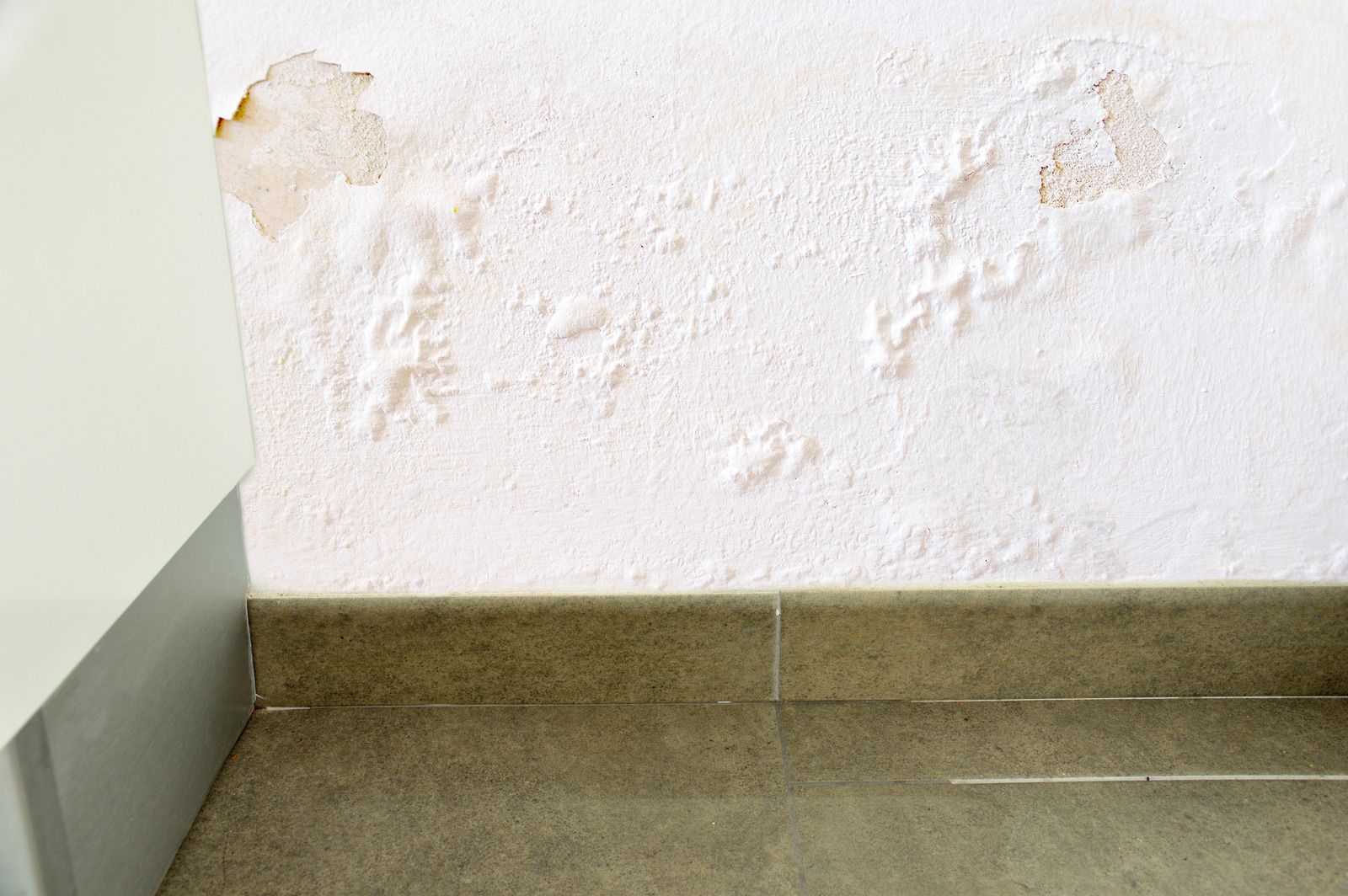
Moisture behind walls can lift paint from surfaces. Cool, wet bubbles or curling wallpaper seams can indicate trapped water.
Drywall That Feels Wrong
Healthy drywall feels firm and flat. Soft, swollen, crumbly, or clammy areas suggest absorbed moisture. Swollen baseboards can accompany water damage.
Hairline Cracks And Sagging Trim
Long-term moisture can loosen joints, causing fine cracks or sticking doors. These changes may indicate the problem has persisted.
Sounds In The Quiet Hours
Listen near walls when everything is quiet. Faint hissing, trickling, or ticking sounds may indicate pressurized water escaping nearby.
TIP: Shine a flashlight sideways along the wall at a low angle. Raking light exposes ripples, bulges, and texture changes in the paint that look invisible when you face the wall head on.
The Early Signs Under a Sink
The cabinet under a sink is the most common place for a slow leak to start, because it holds a dense knot of connections: supply lines, shutoff valves, a drain trap, a garbage disposal, and sometimes a dishwasher hose. Any one of them can weep.
Dark Rings On The Cabinet Floor
Dark rings around pipes or traps indicate repeated water exposure. Swollen or crumbling particleboard suggests the leak has persisted.
Corrosion And Mineral Crust
Green, white, or rusty deposits around fittings can indicate slow leaks. Dried mineral buildup often marks repeated moisture escaping from connections.
Dampness You Can Feel
Run a dry paper towel beneath supply lines and traps. Dampness while or after running water indicates an active leak.
A Sink That Drains Slowly Or Gurgles
Loose or clogged drain connections can seep whenever water empties. Moisture appearing only afterward can make these leaks difficult to notice.
Mold On The Cabinet Walls Or Back Panel
Dark speckling inside cabinets indicates persistent dampness. Visible mold beneath sinks usually points toward a nearby moisture source requiring attention.
Warped Flooring Next To The Cabinet
Lifted vinyl, gaps near the toe kick, or cupped hardwood can indicate water traveled beneath the cabinet and flooring.