
Top Signs Your Home Might Be Suffering from Hidden Water Damage
January 30, 2026
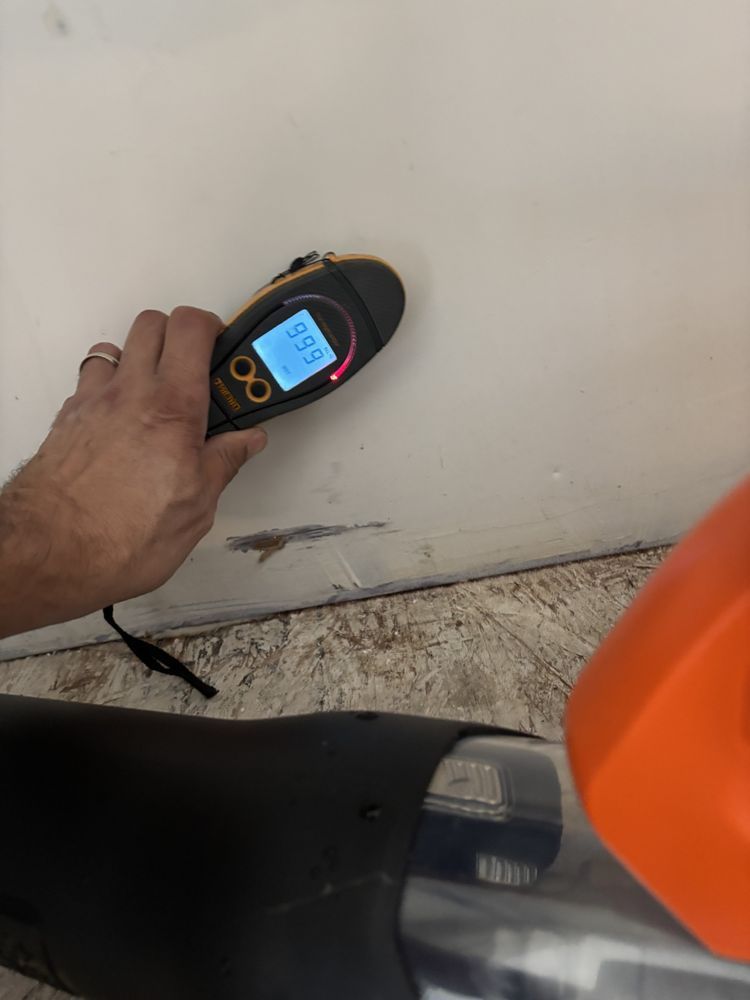
Water damage is one of the most insidious issues a homeowner can face. Unlike visible problems such as a leaky faucet or a burst pipe, hidden water damage develops quietly, often going unnoticed until it manifests in costly structural or health-related consequences. Many homeowners underestimate the scope of potential damage, assuming that if a leak isn’t immediately visible, it isn’t a problem. However, even minor water intrusions can lead to mold growth, wood rot, and deterioration of building materials over time. Recognizing the signs of hidden water damage early can save homeowners significant expense and stress while protecting the health and safety of their families.
Understanding the subtle indicators of water damage is crucial in today’s housing market, where older homes and aging plumbing systems are common. Homeowners and property managers alike need to develop an awareness of these warning signs to prevent structural compromise and maintain property value. This blog explores the most telling signs that your home may be suffering from hidden water damage. From visual cues to unusual odors and sudden structural changes, we provide actionable insights, real-world examples, and expert guidance to help you safeguard your home effectively.
3. Warped, Peeling, or Bubbling Surfaces
Walls and Paint
Water infiltration often causes paint to bubble, peel, or crack. Moisture seeps into drywall or plaster, weakening paint adhesion. Wallpaper may lift, and seams can separate. These signs reflect prolonged exposure to water that can compromise structural integrity. Early identification of surface damage enables timely intervention, protecting walls from further deterioration. Monitoring wall surfaces regularly ensures prompt action to avoid costly repairs.
Floors and Baseboards
Warped hardwood, lifting laminate, or swollen baseboards are clear signs of water damage. Moisture causes building materials to expand and contract, potentially creating irreversible deformation. Basements and areas near plumbing are particularly susceptible. Routine inspections help homeowners detect changes early, preventing major structural issues. Acting quickly can limit repair costs, prevent mold growth, and maintain both aesthetic appeal and long-term property value.
Best Practice
If bubbling paint or warped floors are noticed, inspect nearby plumbing or roofing immediately. Early detection reduces repair scope and limits mold contamination risk. Homeowners should monitor areas prone to moisture, including kitchens, bathrooms, and basements. Proactive maintenance combined with prompt repairs ensures the home remains structurally sound, prevents additional damage, and safeguards the health and safety of residents effectively over time.
4. Unusual Sounds and Structural Changes
Creaking or Popping Noises
Unexpected creaking or popping noises in a home may signal water damage. Wood expands and contracts when exposed to moisture, producing audible sounds. Floors or ceilings may sag in extreme cases, reflecting compromised support structures. Detecting these noises early allows homeowners to investigate potential hidden leaks. Regular structural checks help maintain stability, prevent accidents, and minimize costly repairs due to delayed intervention or unnoticed damage.
Foundation and Wall Cracks
Water intrusion can shift soil beneath a home, causing foundation cracks or wall fissures. Basements and crawl spaces are particularly vulnerable to undetected water accumulation. Minor cracks should not be ignored, as they can worsen rapidly. Timely assessment prevents structural instability, costly repairs, and potential health hazards. Professional inspections can detect concealed water damage, safeguarding the home’s integrity and ensuring safety for all residents.
Example
A homeowner ignored minor creaking in the kitchen floor for months. Investigation revealed a hidden leak beneath the sink, causing subfloor deterioration. Early detection would have minimized repair costs and disruption. This scenario illustrates how subtle warning signs like unusual sounds may indicate serious water damage. Prompt action prevents larger structural issues, reduces expenses, and ensures long-term home safety.
5. Increased Utility Bills and Plumbing Issues
Unexplained Water Usage
Hidden leaks can cause sudden spikes in water bills. Even slow, minor leaks waste significant amounts of water over time. Comparing current water usage with historical data helps identify potential leaks behind walls, under slabs, or within plumbing systems. Early recognition prevents extensive damage, reduces water waste, and minimizes costly repairs. Proactive monitoring ensures the home remains safe and financially manageable.
Plumbing Warning Signs
Signs such as corrosion, rust, moisture around pipes, or reduced water pressure often indicate hidden leaks. Regular plumbing inspections, particularly in basements, attics, and crawl spaces, help prevent escalating damage. Timely intervention maintains home safety, protects structural integrity, and preserves property value. Recognizing plumbing warning signs early allows homeowners to address issues before they result in major repair expenses or health hazards.
Expert Reasoning
Sudden unexplained increases in water bills often point to concealed plumbing issues. Early identification of leaks prevents water damage from worsening. Proactive maintenance and timely repairs mitigate structural complications, preserve property integrity, and safeguard indoor air quality. Homeowners can avoid expensive, disruptive remediation by combining monitoring, inspections, and professional assessments, ensuring both the home and residents remain protected.
6. Health Symptoms and Indoor Air Quality Concerns
Allergies and Respiratory Issues
Hidden water damage creates mold-friendly conditions that negatively affect indoor air quality. Residents may experience sneezing, coughing, or sinus congestion without apparent cause. Children, elderly individuals, and those with preexisting respiratory conditions are particularly vulnerable. Early detection of moisture issues protects health. Proper remediation prevents long-term respiratory problems, enhances indoor air quality, and ensures the home environment remains safe for all family members.
Moisture-Sensitive Materials
Areas behind walls, under flooring, and within insulation often go unnoticed until health symptoms appear. Mold growth on drywall, wood, or insulation releases spores, contaminating indoor air. Proper ventilation, dehumidifiers, and routine inspections help prevent these risks. Addressing hidden water damage early safeguards both the structure and the occupants’ health, ensuring a comfortable, safe, and mold-free living environment while preventing costly remediation in the future.
Best Practice
If family members develop unexplained allergy-like symptoms, investigate potential hidden water damage and mold growth promptly. Using professional moisture detection tools identifies problem areas accurately. Early intervention minimizes health risks, structural damage, and repair costs. Consistent monitoring, maintenance, and remediation strategies help homeowners maintain a safe and healthy home, protecting residents from mold exposure while preserving property value and longevity.
Dependable Water Damage Solutions Backed By Experience
At MDM Restoration, we understand the critical importance of addressing water damage before it escalates into costly repairs. With over 20 years of experience serving Manhattan Beach, California, our water damage restoration experts have developed a reputation for reliability, professionalism, and thoroughness. We specialize in identifying hidden water intrusions and providing comprehensive solutions tailored to each home’s unique needs.
Our team utilizes advanced moisture detection technology, structural assessments, and proven remediation techniques to safeguard homes from further damage. Beyond restoring properties, we emphasize prevention, helping homeowners implement measures to minimize future risk. Choosing MDM Restoration means partnering with a trusted, experienced authority in water damage restoration. Our commitment to quality, efficiency, and customer satisfaction ensures that your home not only recovers from existing damage but is better protected for the future. For homeowners seeking peace of mind, our services offer confidence, safety, and long-term value.
1. Unexplained Stains and Discoloration
Ceiling and Wall Stains
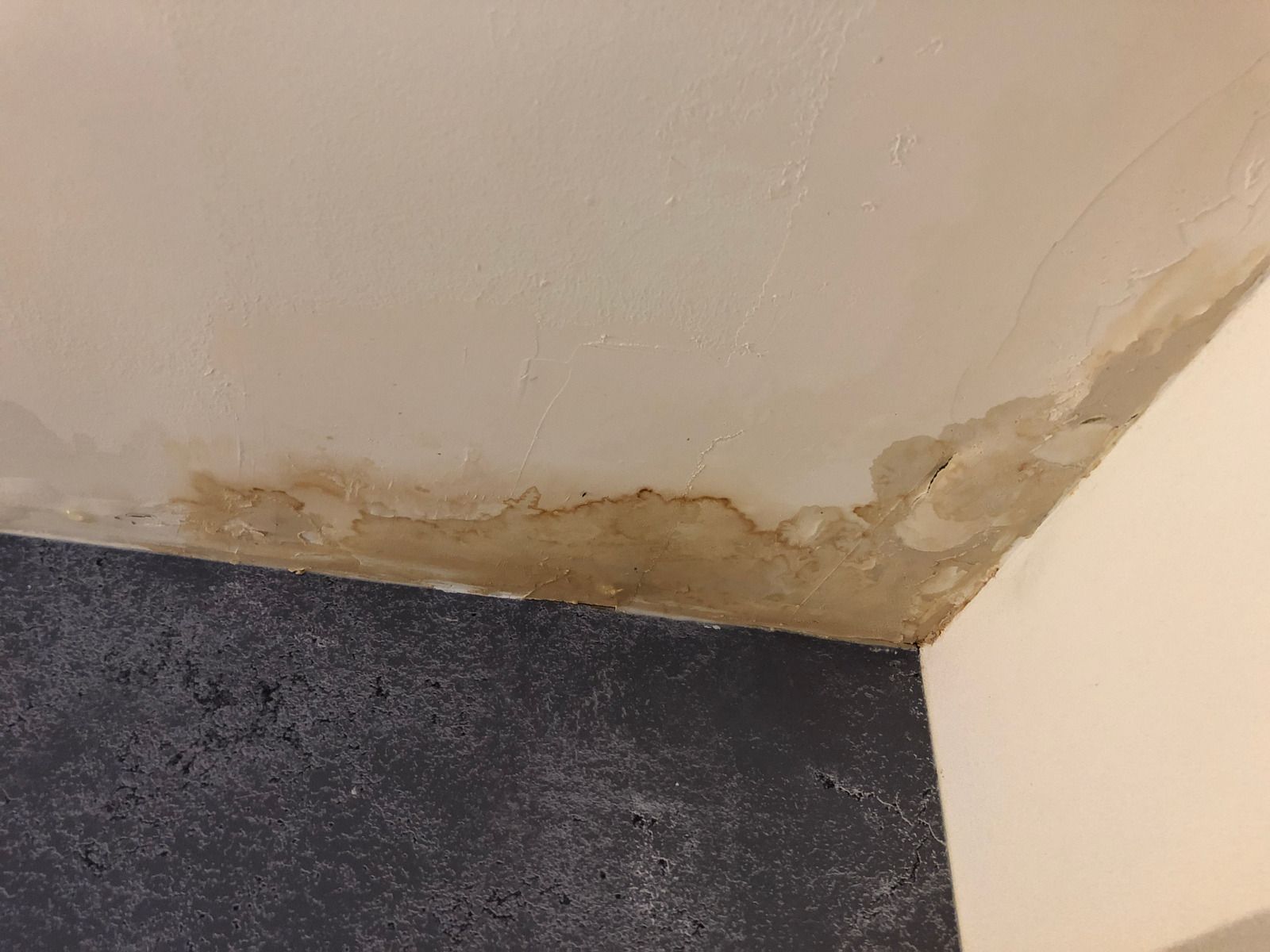
One of the earliest signs of water damage is discoloration on walls or ceilings. Brown, yellow, or rusty stains may appear even when no leak is visible. These marks often indicate that water has penetrated drywall or plaster. Ceiling stains frequently result from roof leaks, especially after heavy rain. Inspecting ceilings under bathrooms or roofs regularly can prevent severe, costly damage.
Flooring Discoloration
Water damage affects floors by causing tiles, hardwood, or laminate to warp or change color. Hardwood may darken or swell, while vinyl tiles can lift or bubble, creating uneven surfaces. Carpeting can trap moisture beneath, fostering hidden mold growth. Detecting these subtle changes early allows homeowners to prevent long-term damage. Timely remediation preserves flooring integrity, prevents health hazards, and protects property value.
Example
A homeowner noticed faint yellow streaks on their living room ceiling after a winter storm. Inspection revealed a slow leak from a damaged roof shingle. Prompt repair prevented extensive ceiling collapse and mold infestation. This example illustrates that even minor water intrusions, if ignored, can lead to expensive structural repairs and health risks, emphasizing the importance of vigilance and early detection.
2. Persistent Musty Odors
Hidden Mold Growth
Musty or damp odors are often the first clue of hidden water damage. Mold and mildew grow in moist, concealed areas such as behind walls, under flooring, or within insulation. Even when the affected area is not visible, a persistent smell indicates a larger problem. Ignoring these odors can worsen air quality and trigger health issues for residents, requiring costly remediation.
Odor in Unexpected Places
Bathrooms, basements, and crawl spaces typically accumulate moisture. However, unusual musty smells in closets, behind furniture, or near electrical outlets may signify water intrusion behind walls or beneath floors. Using odor detection combined with moisture meters allows accurate problem identification. Early detection prevents structural deterioration and mold proliferation, saving money, ensuring safety, and maintaining a healthy indoor environment in the home.
Expert Insight
Mold can develop within 24 to 48 hours after water exposure. Detecting musty odors early allows homeowners to address hidden leaks before mold spreads. Timely intervention reduces repair costs and complexity while preventing further structural damage. Combining sensory observation with modern moisture detection tools ensures a thorough assessment and provides the best possible outcomes for protecting a home and its residents.