
How Water Damage Can Affect Your Property’s Value Over Time
February 24, 2026
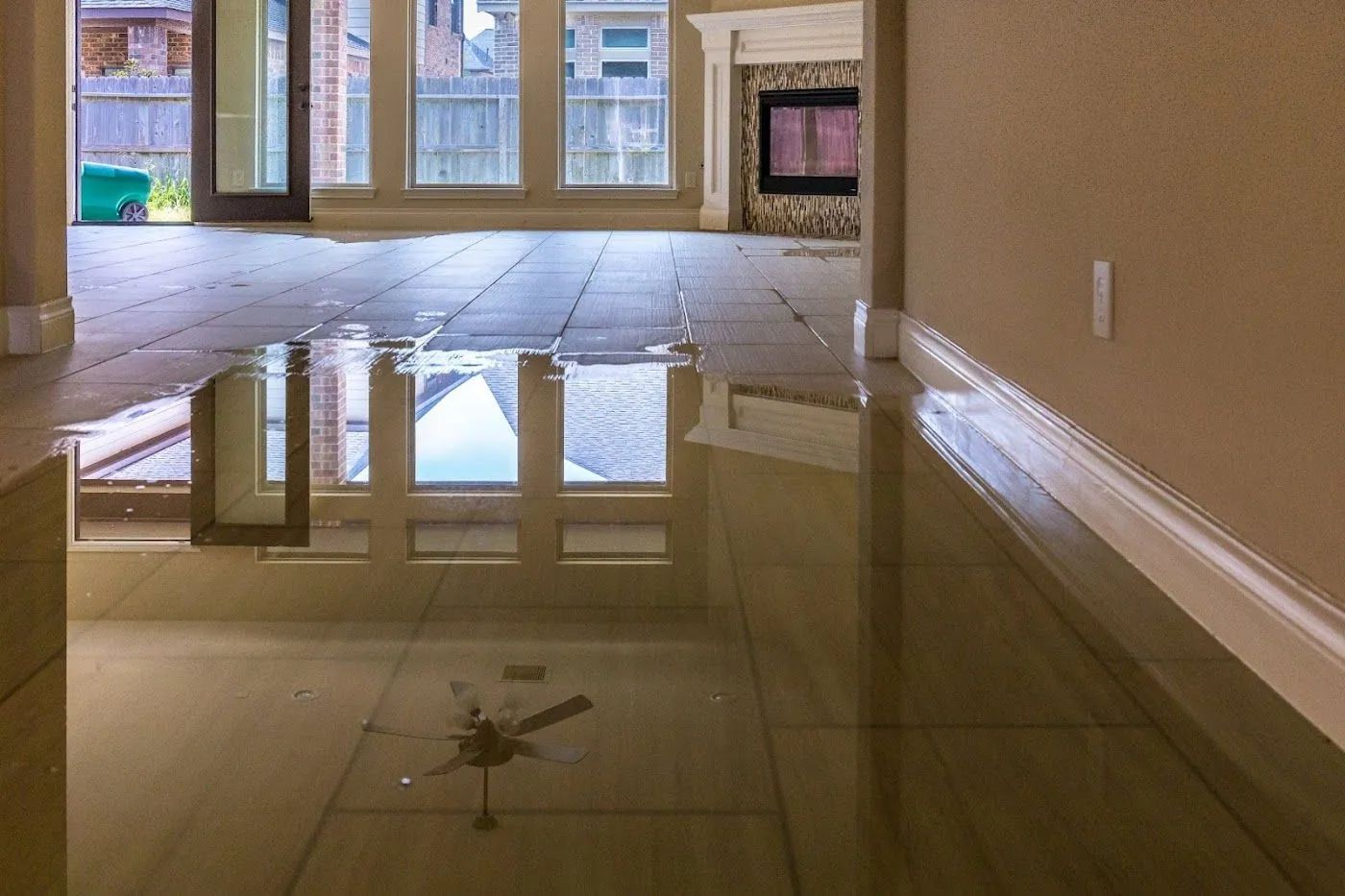
Water damage is one of the most insidious threats to property value, often going unnoticed until it becomes a major issue. Unlike visible damage from storms or fire, water-related problems can remain hidden within walls, under flooring, or behind structural elements, silently eroding the integrity of your home or commercial property. Over time, this deterioration can significantly reduce market value, complicate insurance claims, and lead to costly repairs that could have been mitigated with early detection. Even minor leaks, if ignored, can escalate into serious structural failures or extensive mold infestations, creating both financial and health risks. Understanding the long-term consequences of water intrusion is essential for homeowners, property managers, and real estate investors alike, as proactive measures can protect both structural integrity and financial investment while minimizing unexpected expenses.
In the property market, value is closely tied to perceived safety, durability, and aesthetic condition. Prospective buyers and appraisers are highly attuned to signs of water damage, including mold growth, warping, or staining. Even minor, untreated leaks can escalate, affecting foundation stability, wood framing, and interior finishes. The presence of water damage can influence mortgage approvals, insurance underwriting, and resale potential, making early detection and remediation crucial. This makes water damage a critical consideration for anyone aiming to maintain or enhance property value. By exploring the various ways water intrusion impacts real estate and offering strategies for prevention and remediation, property owners can safeguard their investments against long-term depreciation and maintain the property’s market competitiveness.
3. Damage to Interior Finishes and Aesthetic Value
Flooring and Wall Complications
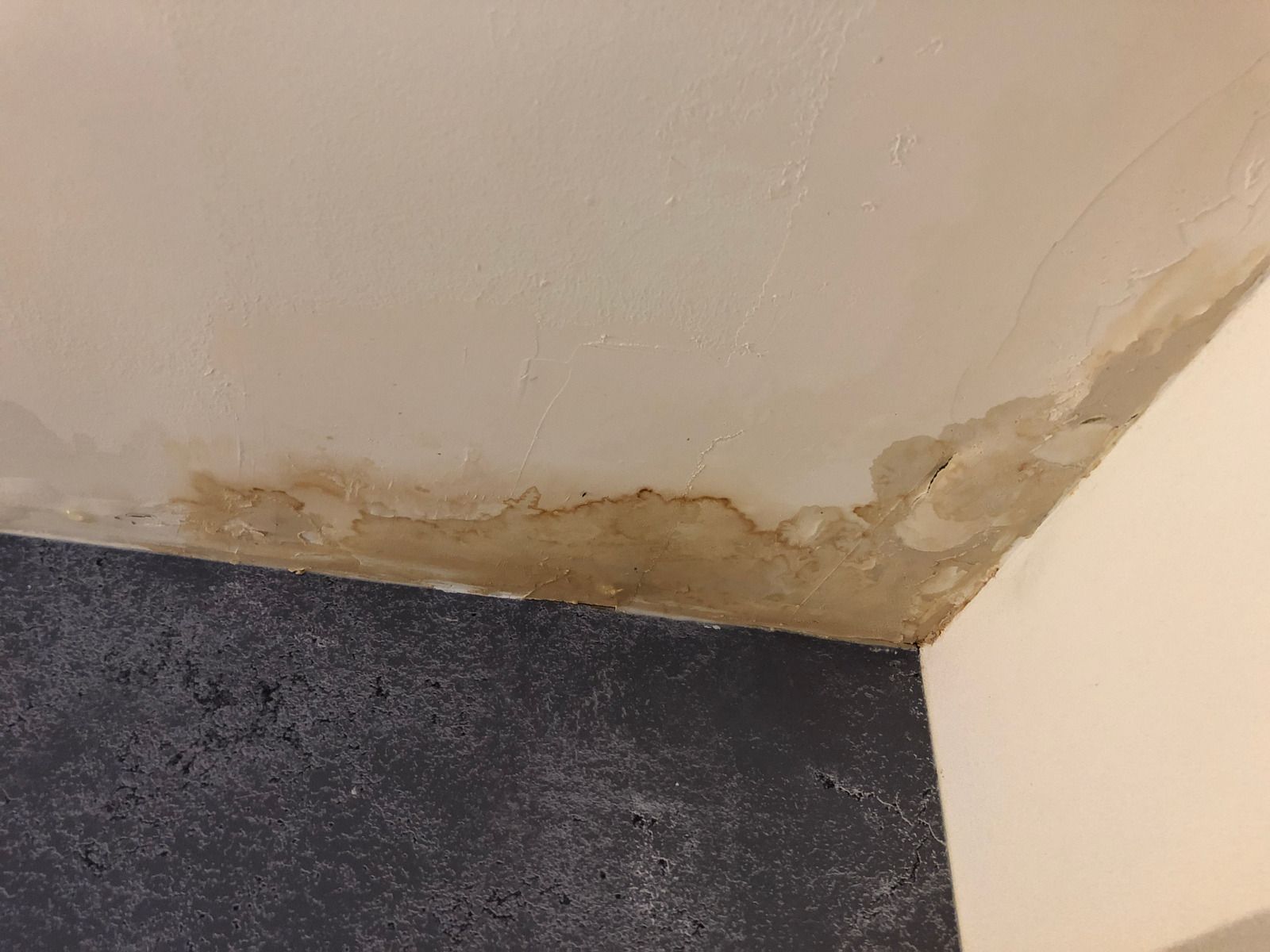
Water damage often manifests visibly through warped flooring, peeling paint, stained ceilings, and damaged wallpaper. While these issues may appear cosmetic, they influence perceived property value significantly. Buyers and appraisers associate visible water damage with potential underlying structural issues, making aesthetic damage a deterrent even if the property remains structurally sound.
Furniture, Fixtures, and Long-Term Wear
Persistent moisture can also affect cabinetry, fixtures, and built-in furnishings. Wooden cabinets may swell, countertops can delaminate, and metal fixtures may corrode. These damages cumulatively affect the overall condition rating of the property, leading to lower appraisal scores and reduced sale prices.
Remediation Strategies
Timely intervention is key. Replacing affected materials, refinishing surfaces, and addressing the root cause of water exposure prevents further deterioration. Preventive measures, such as proper ventilation, water-resistant materials in kitchens and bathrooms, and routine maintenance checks, enhance the longevity and appeal of interior finishes.
4. Impact on Property Insurance and Marketability
Insurance Challenges
Properties with a history of water damage often face increased insurance premiums or policy restrictions. Insurers may require proof of remediation, ongoing monitoring, or water damage mitigation systems to maintain coverage. This additional financial burden can deter potential buyers or reduce the final sale price.
Market Perception
Even if water damage has been fully addressed, properties with prior claims are often scrutinized by buyers, lenders, and appraisers. Disclosure requirements mean that a property’s water damage history can influence buyer confidence and marketability. Investors and homeowners must consider this factor when evaluating resale value or rental potential.
Best Practices for Maintaining Market Value
Maintaining thorough documentation of repairs and mitigation efforts is critical. Professional water damage restoration records, combined with warranties for replacement materials or remediation work, reassure buyers and appraisers about the property’s current condition. Preventive upgrades, such as installing sump pumps, backflow valves, and moisture barriers, further demonstrate proactive property management.
5. Long-Term Financial Consequences
Depreciation Over Time
Unaddressed water damage accelerates property depreciation significantly over time. Moisture intrusion contributes to ongoing maintenance costs, structural weakening, and repeated remediation needs. The longer these issues persist, the more significant the cumulative financial impact becomes, both in repair costs and reduced resale value. Ignoring these problems can result in unexpected expenses and diminished investment returns in the long run.
Case Example: Commercial Property
In a commercial setting, water damage to a warehouse floor led to uneven surfaces and weakened structural beams over several months. Tenants requested rent reductions due to safety concerns, and prospective buyers factored in remediation costs when making offers. Ultimately, the property sold for 15% below market value, demonstrating how water damage can directly impact long-term financial outcomes and investor confidence.
Investment and Management Strategies
Property owners can mitigate financial risk by implementing proactive water management strategies immediately. Regular maintenance, early leak detection, and timely restoration reduce cumulative repair costs and preserve property value efficiently. For investors, integrating water-resistant materials and advanced technologies in renovations enhances long-term returns and protects against future market depreciation effectively.
6. Water Damage and Environmental Factors
Climate and Geographic Considerations
Properties located in areas prone to heavy rainfall, flooding, or high humidity are particularly vulnerable to severe water damage. Coastal regions, riverfront properties, and locations with aging infrastructure may experience frequent water intrusion, increasing both maintenance costs and potential depreciation significantly. Understanding the local environmental risk is critical for maintaining property value over the long term.
Impact of Seasonal Changes
Seasonal variations, such as freeze-thaw cycles in colder climates or monsoon rains in tropical areas, can exacerbate water damage considerably. Repeated exposure to moisture expansion and contraction cycles can weaken foundations, crack walls, and warp structural materials over time. These environmental factors must be carefully considered when assessing long-term property valuation and maintenance planning strategies.
Proactive Environmental Management
To address environmental risks, property owners can install advanced drainage systems, grade landscapes strategically to direct water away from foundations, and seal vulnerable structural points thoroughly. Utilizing climate-adaptive building materials and incorporating flood-resistant design principles significantly reduces susceptibility to water damage and preserves long-term property value consistently.
Reliable Restoration Specialists Ensuring Property Longevity Always
Water damage is more than a short-term inconvenience; it is a long-term threat to property value that affects structural integrity, aesthetics, health, marketability, and financial outcomes. From foundation deterioration to mold growth and insurance complications, water intrusion can silently undermine a property’s worth over time. By understanding the various ways water damage impacts both residential and commercial real estate, property owners can take proactive measures to protect their investments. Early detection, prompt remediation, and preventive strategies are essential for maintaining property value and ensuring a safe, marketable property.
MDM Restoration, a
water damage restoration
service based in Manhattan Beach, California, brings over 20
years of expertise to addressing these challenges. Our team specializes in thorough water extraction, drying, structural repair, and mold remediation, helping homeowners and businesses restore and maintain their property value. With decades of experience, MDM Restoration
combines advanced technology, industry best practices, and personalized service to ensure every restoration project meets the highest standards. We understand the local climate, building styles, and water damage risks in the Manhattan Beach area, allowing us to deliver tailored solutions that prevent long-term property depreciation. Trust MDM Restoration
to protect your investment, safeguard your property, and restore peace of mind with a professional, reliable approach honed over two decades of service.
1. Structural Impact of Water Damage
Compromised Foundation and Framing
Water intrusion often begins subtly, through small leaks in roofs, plumbing, or external walls. Over time, moisture penetrates wood framing, subflooring, and foundations, weakening the structural elements that maintain the property’s stability. Wood rot, swelling, and warping can compromise load-bearing structures, creating safety hazards and costly repair requirements. For properties on the market, visible or known structural damage can dramatically reduce appraisal values, as buyers often anticipate extensive remediation costs.
Case Study: Subfloor Deterioration
Consider a residential property where a slow leak in a bathroom went undetected for several months. The subfloor began to weaken, resulting in sagging floors and visible cracks along the walls. During the property inspection prior to sale, appraisers identified the structural compromise, leading to a significant price reduction. This scenario highlights how even localized water damage can have a disproportionate impact on perceived property value.
Prevention and Best Practices
To mitigate structural risks, regular inspections and maintenance are crucial. Ensuring proper roof drainage, sealing foundation cracks, and monitoring plumbing systems can prevent water infiltration. Installing moisture sensors and using waterproofing solutions in basements and crawlspaces also minimizes the potential for structural compromise, ultimately preserving property value.
2. Mold and Mildew: Hidden Value Killers
Health and Safety Concerns
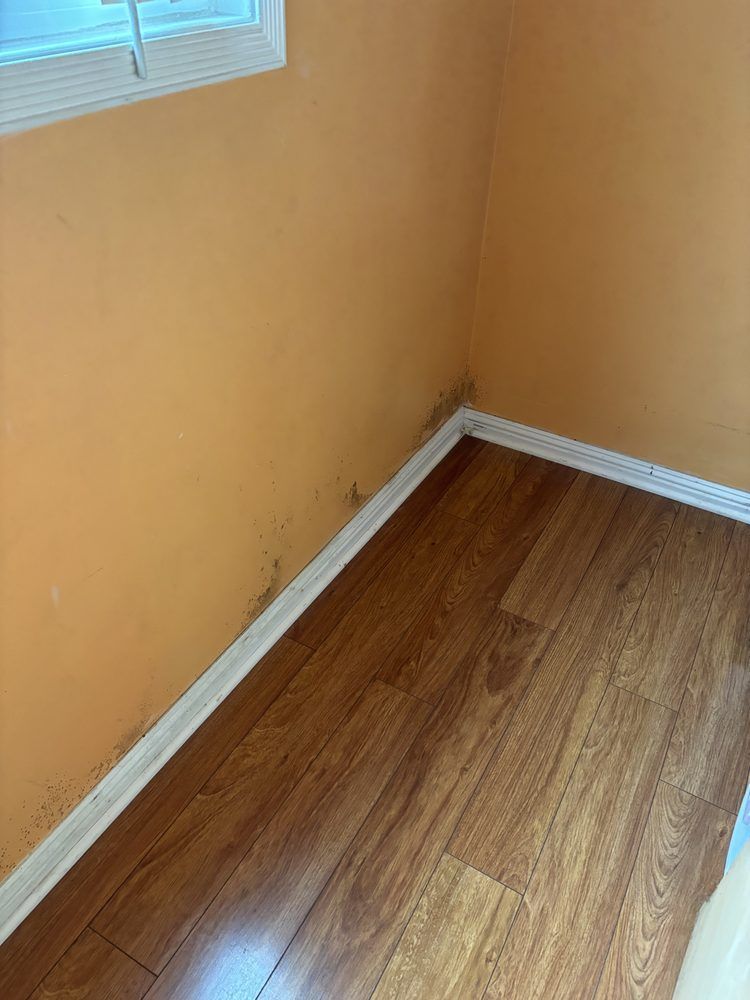
Mold growth is one of the most common and concerning consequences of water damage. Mold not only affects indoor air quality but also signals long-term water exposure. Health concerns associated with mold—ranging from respiratory irritation to serious allergic reactions—can deter potential buyers, reduce property appeal, and trigger legal liability for landlords or property managers.
Economic Impact on Property Valuation
Properties with mold issues often face reduced market value. Buyers anticipate remediation costs, and in some regions, disclosure laws require sellers to report mold history, which can delay sales or necessitate price adjustments. Even professionally treated mold can influence appraisal outcomes, as inspectors consider the risk of recurrence and potential structural damage caused by long-term moisture exposure.
Best Practices for Mold Prevention
Prompt water extraction, thorough drying, and dehumidification are essential after any water event. Using mold-resistant materials during renovations, sealing leaks, and maintaining consistent humidity levels in basements or attics further prevent mold growth. Regular inspections by qualified professionals can identify early signs, allowing corrective measures before significant damage occurs.